••
Mahama Shifts Focus to Social Relief Amid Rising Tensions Over Anti-LGBTQ+ Legislation and Economic Reforms
•3 min read•28 sources
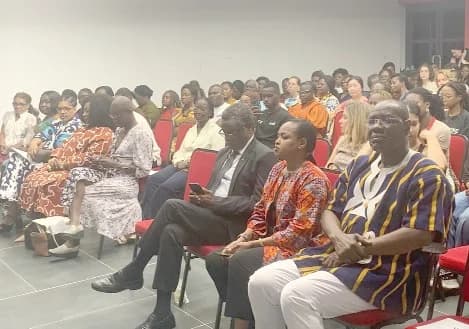
The Ghanaian political landscape is currently defined by a strategic shift in government priorities as President John Dramani Mahama emphasizes "basic needs" over controversial legislative agendas. Central to this shift is the President's decision to deprioritize the Proper Human Sexual Rights and Family Values Bill, 2025, asserting that immediate challenges like healthcare, education, and economic dignity must take precedence. This stance has sparked a nationwide debate, with supporters praising the focus on socio-economic stability while critics, including opposition figures and religious leaders, accuse the administration of neglecting core cultural values and backtracking on previous commitments to the electorate.
The fallout from the President's comments has been swift and polarized. High-profile media figures such as Nana Aba Anamoah and activist Wanlov the Kubolor have lauded the administration for focusing on tangible resources like food and water. However, the New Patriotic Party (NPP), through Communications Director Richard Ahiagbah, has labeled the move as hypocritical, while Deputy Minister Mohammed Adams Sukparu has threatened to resign his seat if the bill is not eventually signed into law. This internal tension is further highlighted by the resurfacing of old videos featuring Minister Samuel Nartey George, which have placed him under intense social media scrutiny regarding his previous vocal advocacy for the bill. Regionally, the situation in Ghana contrasts sharply with Senegal, where President Bassirou Diomaye Faye recently signed a law doubling prison terms for same-sex acts, reflecting a broader, albeit varied, legislative crackdown across the continent.
Beyond the legislative friction, the government is actively pursuing social protection reforms and economic empowerment initiatives. A nationwide review of the Livelihood Empowerment Against Poverty (LEAP) programme is currently underway to increase the beneficiary pool from 350,000 to 400,000 households, though the verification process has caused a temporary two-week delay in payments to ensure aid reaches those in genuine need. In the health sector, the National Petroleum Authority (NPA) has contributed GH¢1 million to the MahamaCares Fund to bolster treatment for non-communicable diseases, which account for 45% of the nation's mortality rate. Furthermore, the government has reaffirmed its support for women-owned businesses by earmarking GH¢400 million from the national budget for the establishment of a Women’s Development Bank, aimed at providing collateral-free loans to micro and small enterprises.
On the international and judicial fronts, Ghana continues to navigate complex issues of justice and heritage. Minister of Foreign Affairs Samuel Okudzeto Ablakwa recently challenged UK Conservative leader Kemi Badenoch over her stance on slavery reparations, urging a historical reckoning that favors victims over former slave owners. Domestically, the Supreme Court is set to hear the landmark Wesley Girls’ Senior High School case on April 21, addressing the constitutionality of religious mandates for Muslim students. Meanwhile, human rights advocates in the Upper East Region are calling for zero interference in sexual and gender-based violence (SGBV) cases, as rising instances of defilement and community intervention continue to obstruct the legal process. Together, these developments reflect a government attempting to balance urgent economic relief with long-standing social, legal, and international disputes.
This story touches markets covered on Anansi Intelligence ↗.
Related topic
NPP (New Patriotic Party): Latest News →More from politics
Continue exploring similar stories


