••
Ghana’s 2026 Diplomatic and Domestic Push: Mnangagwa State Visit, EU Security Pact, and Healthcare Reforms Take Center Stage
•3 min read•50 sources
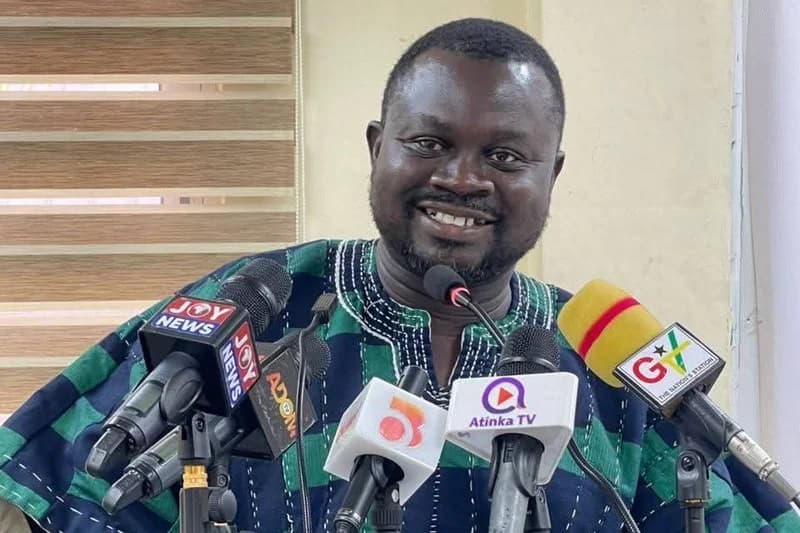
President John Dramani Mahama has spearheaded a significant week of diplomacy and security for Ghana, welcoming Zimbabwean President Emmerson Mnangagwa for a three-day state visit while finalizing a landmark Security and Defence Partnership with the European Union. The visit by President Mnangagwa, spanning April 1 to April 3, 2026, aims to solidify bilateral cooperation in agriculture, trade, tourism, and healthcare through several Memoranda of Understanding. Simultaneously, Vice-President Naana Jane Opoku-Agyemang and EU High Representative Kaja Kallas signed a pact to combat jihadism and piracy—the first of its kind between the EU and an African nation. While these moves signal Ghana's growing international influence, the EU partnership has drawn criticism from some pan-Africanist circles concerned about sovereignty and historical colonial dynamics, particularly following EU abstentions on a recent UN resolution regarding slavery.
Domestically, the Mahama administration is preparing for the April 15 launch of a comprehensive Free Primary Healthcare programme. During a consultative meeting with civil society organizations (CSOs) at the Jubilee House, the President detailed plans to deploy community health volunteers for house-to-house checks and announced the establishment of an Independent Value for Money Office to oversee public procurement. This push for accountability comes as the government also faces calls for constitutional reforms based on previous review recommendations. Meanwhile, in the legislative sphere, Minority Leader Alexander Afenyo-Markin has challenged the government’s rollout of AI-powered customs assessment systems at the ports. He alleges that the lack of legal safeguards and stakeholder consultation has led to inflated and unjust charges for compliant businesses, prompting the Minority Caucus to seek parliamentary oversight and remedies for affected importers.
Political accountability remains a sharp focal point as the Action Alliance Party (AAP) demands an independent probe into President Mahama’s use of his brother Ibrahim Mahama’s private jet for official travel. AAP Chairman Nazir Abdul-Rahaman Darlington cited the need for transparency, especially given the unfit status of the official presidential jet. This atmosphere of scrutiny extends to the legal arena, where former Attorney General Godfred Yeboah Dame has threatened to sue Minister Felix Kwakye Ofosu for defamation over allegations related to NPP Chairman Wontumi. Internal party dynamics are also shifting; the Convention People’s Party (CPP) is grappling with a leadership crisis as regional chairmen demand the dissolution of the National Working Committee, while within the NPP, Dr. Charles Dwamena’s campaign for General Secretary has reaffirmed a commitment to discipline and youth engagement ahead of the 2028 elections.
Beyond Ghana's borders, regional and international developments continue to impact the political landscape. Nigeria’s parliament has approved a record 68.30 trillion naira ($49.4 billion) budget for 2026 to support President Bola Tinubu’s economic reforms, even as the country’s High Commission in South Africa warns citizens to exercise caution following violent anti-immigration protests. On the global stage, media freedoms remain under pressure, highlighted by a Tunisian court sentencing editor Ghassen Ben Khelifa to two years in prison, an act condemned by unions as a systemic attack on free speech. As Ghana navigates these complex domestic and international waters, the central challenge remains balancing ambitious social infrastructure projects with the rigorous demands of democratic transparency and regional security stability.
This story touches markets covered on Anansi Intelligence ↗.
Related topic
NPP (New Patriotic Party): Latest News →More from politics
Continue exploring similar stories


