••
NAFCO Seeks GH¢770 Million to Clear Domestic Rice Surplus and Support Local Farmers
•2 min read•5 sources
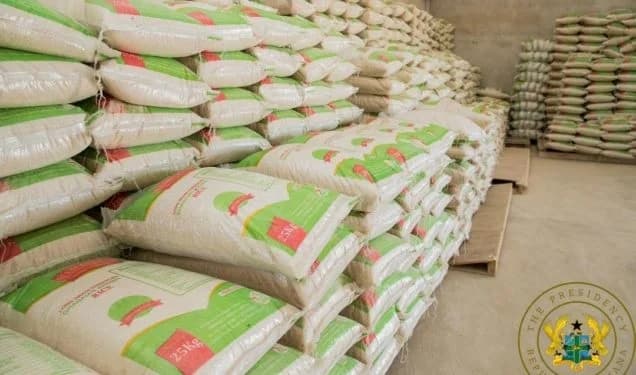
The National Food Buffer Stock Company (NAFCO) has announced a requirement of at least GH¢770 million to effectively manage a significant rice surplus from the 2025-2026 farming season. Despite a presidential directive to prioritize locally produced rice for government food programs, NAFCO is currently navigating a substantial funding gap. Senior Manager Emmanuel Arthur confirmed that while the agency has commenced procurement using an initial GH¢100 million allocation from the government, this amount remains insufficient to absorb the current market glut and stabilize the livelihoods of domestic rice producers.
The agency's efforts have been further complicated by delays in the release of an additional GH¢200 million earmarked in the 2026 Budget. This financial shortfall has led to reports of unsold stock in various farming communities, creating distress for local growers. To address storage limitations and improve the management of national food reserves, NAFCO is collaborating with the World Food Programme to rehabilitate and modernize its storage facilities. These infrastructure upgrades are critical to ensuring that the procured grains meet food safety standards and are preserved for future use in national programs such as the School Feeding Programme.
NAFCO has also addressed allegations from the Ghana Rice Producers Association regarding its procurement practices. Critics had previously suggested that the agency might be prioritizing cheaper, smuggled rice over local produce. However, Arthur countered these claims, asserting that NAFCO is committed to transparency and sources its grain exclusively from Ghanaian farmers and mills. To demonstrate accountability, the agency is exploring the possibility of publishing its supply chain data, including the names of the farmers and milling companies involved in the current procurement cycle.
The resolution of this funding challenge is viewed as vital for Ghana's broader economic goals of food security and reduced import dependency. By mopping up the excess rice supply, the government aims to provide a guaranteed market for farmers, encouraging continued investment in the agricultural sector. However, industry observers note that without the swift release of the requested GH¢770 million, the risk of significant post-harvest losses remains high, potentially undermining the progress made in boosting local rice production over the last season.
This story touches markets covered on Anansi Intelligence ↗.
More from business
Continue exploring similar stories

