••
President Mahama's Industrial Vision Advances as GNPC Supplies TOR and PURC Holds Utility Tariffs Constant
•3 min read•3 sources
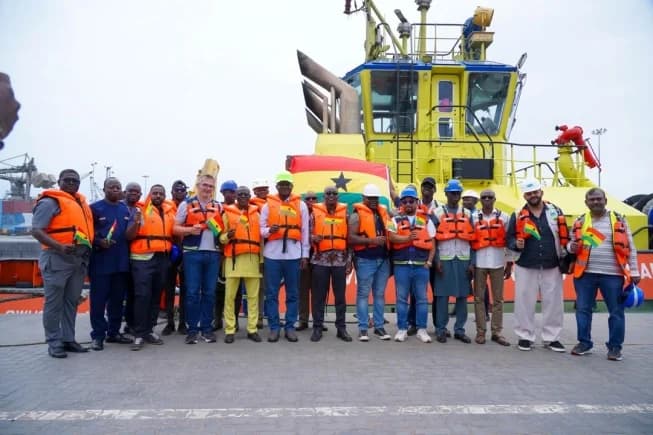
In a series of moves aimed at stabilizing the national economy and enhancing industrial capacity, the Ghana National Petroleum Corporation (GNPC) has delivered a significant boost to domestic refining, while the Public Utilities Regulatory Commission (PURC) has acted to protect consumers from rising costs. These developments, occurring under the administration of President John Mahama, signal a concerted effort to integrate the upstream and downstream petroleum sectors while maintaining price stability across essential utility services. As GNPC supplies nearly one million barrels of crude oil to the Tema Oil Refinery (TOR), the government is also facing calls to revitalize the nation’s aging public transportation infrastructure through Metro Mass Transit (MMT).
The GNPC’s delivery of approximately 950,000 barrels of Sankofa crude oil to TOR represents a critical step in strengthening the connection between Ghana's upstream production and its domestic refining capabilities. Delivered via the vessel Sonangol Cazenga, this commercial arrangement aims to maximize the local processing of petroleum resources. GNPC Chief Executive, Mr. Kwame Ntow Amoah, noted that this collaboration is a direct reflection of President Mahama’s vision for a more integrated energy sector. Beyond crude oil, both institutions are exploring further synergies, including the potential supply of natural gas to bolster TOR’s operational capacity and efficiency.
Complementing these industrial efforts, the PURC has announced that electricity and water tariffs will remain unchanged for the fourth quarter of 2026. This decision, effective October 1, follows a comprehensive quarterly review that considered the exchange rate of the cedi, the cost of natural gas, and an average annual inflation rate of 4.97%. By maintaining current rates, the Commission aims to balance the financial health of utility providers with the economic wellbeing of Ghanaian households. The PURC has emphasized that it will continue to monitor service providers closely to ensure that the tariff freeze is accompanied by high standards of service delivery and operational compliance.
However, the transportation sector faces pressing challenges as Metro Mass Transit (MMT) appeals for urgent government intervention to renew its aging fleet. With 70-80% of its buses having exceeded their operational lifespan, MMT is struggling to maintain its mandate of providing affordable transit. Assistant Corporate Manager Benjamin Nimako highlighted that MMT currently offers fares 15-25% lower than private operators, a relief for commuters that is increasingly difficult to sustain without new investment. While a contract for 300 new Isuzu buses is currently in progress, MMT leaders argue that broader support is needed to expand from 88 to 360 routes, ensuring that the company remains a viable pillar of the nation's transport network.
Related topic
John Mahama: Latest News & Updates →Live rates
Dollar to cedi rate →
