••
Bank of Ghana Personnel Costs Surge to GH¢3.29bn as Investors Face Negative T-Bill Returns
•2 min read•6 sources
The Bank of Ghana (BoG) has reported a significant 103% surge in personnel costs, which rose from GH¢1.62 billion in 2022 to GH¢3.29 billion by 2025. This increase occurred despite a relatively modest 22% expansion in the total workforce, which grew from 2,206 to 2,691 employees. Governor Dr. Johnson Asiama attributed the rising expenditure to an evolving mandate that requires competitive remuneration for specialized skills in technology and data analytics, as well as the costs associated with replacing retiring staff. By 2025, personnel expenses accounted for 63% of the central bank's total operating costs, though officials expect this figure to moderate toward a 40% threshold in future financial cycles.
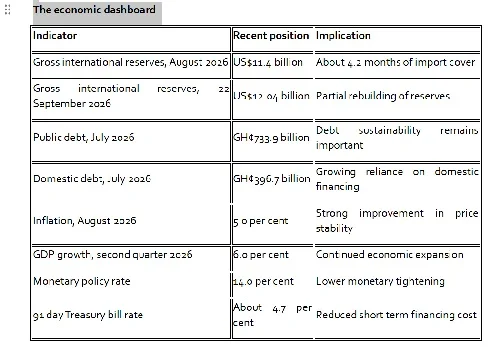
While the central bank manages its internal costs, domestic investors are grappling with a shifting financial landscape as the 91-day Treasury bill yield recently fell to 4.68%. With national inflation recorded at 5.0% in August, investors are currently experiencing a negative real return of approximately 0.3 percentage points. This serves as a sharp contrast to the previous year when yields exceeded 10%. Dr. Simon Harvey of the BoG further cautioned that the recent decision to maintain the monetary policy rate at 14% may not immediately result in lower commercial lending rates, as banks must continue to weigh operational costs and market risks before adjusting their portfolios.
On the broader macroeconomic front, Ghana's economy shows signs of recovery alongside persistent challenges. International reserves have successfully rebounded to approximately $12.04 billion as of September 2026. However, the Ghanaian Cedi has experienced minor depreciation, selling at GHS 12.20 on the forex market and GHS 11.70 on the BoG interbank market as of late September. Rising public debt levels remain a concern, sparking debates regarding government borrowing practices and the urgent need to diversify national exports beyond traditional sectors like gold and cocoa to ensure long-term stability.
The current economic phase under the administration of President John Mahama faces the critical task of translating these macroeconomic indicators into tangible household prosperity. While falling inflation and rising reserves suggest stability at the top level, the focus is now shifting toward creating job opportunities and reducing the cost of essentials for the average Ghanaian. As the Bank of Ghana anticipates a slowdown in recruitment and operational growth, the efficacy of monetary policy transmission will be vital in determining whether the recovery can provide affordable credit and sustained economic relief for the populace.
Related topic
John Mahama: Latest News & Updates →Live rates
Bank of Ghana policy rate →
