••
President Mahama Outlines Bold Reform Agenda and National Resilience at Landmark Dialogue with Civil Society
•3 min read•49 sources
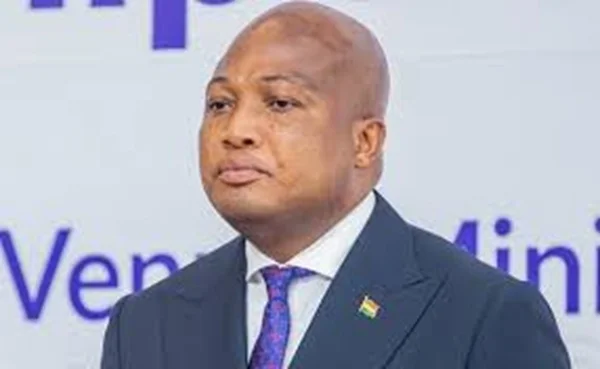
President John Dramani Mahama convened a high-level dialogue with Civil Society Organisations (CSOs) at the Jubilee House on March 30, 2026, marking a pivotal moment for his administration’s policy direction. During the engagement, the President announced the official rollout of Ghana’s Free Primary Health Care Programme, set to launch on April 15, 2026. This initiative aims to eliminate cost barriers to essential health services and expand access to preventive care nationwide. Mahama emphasized that the participation of civil society is vital for the monitoring and success of such flagship policies, including the Operation Recover All Loot (ORAL) initiative, as the government seeks to strengthen transparency and accountability in public service.
Addressing governance and human rights, President Mahama provided clarity on the sensitive Anti-LGBTQ+ bill, stating that while the issue is emotive, it is not the nation’s most pressing priority compared to urgent needs in education and healthcare. He called for calm and urged that the matter be handled through democratic processes and respect for human rights. To further enhance the democratic framework, the President announced the establishment of a Constitutional Review Implementation Committee (CRIC) to execute long-awaited reforms. Additionally, he pledged to amend the Public Procurement Act to strictly limit single sourcing, a move designed to ensure competitive bidding and value for money in government contracts following concerns raised over procurement practices.
On the environmental front, the President intensified the fight against illegal mining, known as galamsey, by calling for a united front with CSOs. He specifically commended an investigative report by JoyNews titled 'Tax for Galamsey,' which exposed district assemblies illegally taxing prohibited mining equipment. Mahama ordered an immediate end to such levies, asserting that revenue generation must never be linked to unlawful activities. He contrasted the environmental degradation in mining areas with the cleanliness of the Volta Region, which he praised as a national model for sanitation. To complement these efforts, he advocated for the reintroduction of civic education in schools to instill discipline and responsible waste management habits in future generations.
Turning to national security and infrastructure, the President highlighted Ghana’s growing energy resilience. He noted that strategic investments in domestic natural gas from the ENI Sankofa and Jubilee fields have shielded the country from global energy shocks caused by Middle East tensions. He also announced the modernization of the Ghana Armed Forces, confirmed by the arrival of the first of four new military helicopters. In education, the administration is targeting the elimination of 'schools under trees' by constructing 400 new schools this year and providing one million desks. To ensure equitable distribution of educators, Mahama revealed plans to decentralize teacher recruitment, allowing districts to advertise vacancies based on local needs.
The dialogue also served as a celebration of Ghana’s recent diplomatic achievements. President Mahama was welcomed back to a warm reception following the United Nations General Assembly’s adoption of a historic resolution, championed by Ghana, recognizing the transatlantic slave trade as a crime against humanity. While Foreign Minister Samuel Okudzeto Ablakwa declined a formal airport ceremony to focus on ongoing work, the administration hailed the resolution as a victory for justice and reparative efforts. The day concluded with the President receiving Letters of Credence from five new envoys, including representatives from China and France, further solidifying Ghana’s bilateral ties and its standing on the global stage.
This story touches markets covered on Anansi Intelligence ↗.
More from politics
Continue exploring similar stories


