••
Ghana Faces Global Trade and Travel Shifts: $210m Meth Bust Triggers Export Scrutiny While US Announces New Premium Visa Tiers
•2 min read•2 sources
Ghana's international trade reputation and regulatory frameworks are under intense pressure following the discovery of approximately 320kg of methamphetamines by Australian border police. The illicit cargo, valued at roughly $210 million, was found concealed within a shipment of charcoal originating from Ghana. This significant breach has triggered a wave of concern regarding the effectiveness of Ghana’s export monitoring systems and the integrity of its regulatory bodies. The incident highlights a critical vulnerability in the nation's security apparatus as it increasingly becomes associated with the trafficking of methamphetamine precursor chemicals.
The Energy Commission, which is responsible for issuing charcoal export permits, has come under immediate fire. Critics, including policy analyst Bright Simons, are demanding transparency and answers regarding the lack of oversight that allowed such a massive quantity of narcotics to bypass domestic checks. There are growing concerns over the lack of communication from Ghanaian security agencies about similar past incidents and a perceived failure to provide essential data related to these exports. This oversight is complicating Ghana's international trade reputation and raising questions about the enforcement of existing charcoal export regulations.
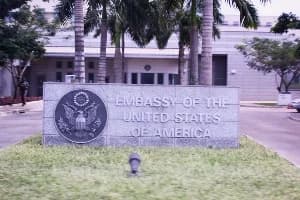
Simultaneously, the landscape for international travel from Ghana is set to change with a new policy announcement from the U.S. Department of State. A ‘premium’ visa interview service will be introduced, allowing foreign nationals to secure appointments within 10 days for an additional fee of $750. This pilot program, targeting business travelers and those with urgent needs, is scheduled to launch on July 1, 2026, and will run through December 31, 2026. The program's future beyond the pilot phase will depend on demand and its effectiveness in managing the visa backlog.
Together, these developments represent a dual challenge for Ghanaian authorities and the public. While the government must urgently address domestic regulatory failures to secure its borders and trade routes against criminal exploitation, the business community must prepare for higher costs in international mobility. Both situations underscore the evolving nature of Ghana's global interactions, requiring a balance between heightened domestic transparency and strategic adaptation to changing international travel protocols.
This story touches markets covered on Anansi Intelligence ↗.
More from politics
Continue exploring similar stories


