••
Historic Milestone for Indigenous Mining: Ibrahim Mahama’s Damang Gold Mine Commits 100% of First Output to National Reserves
•2 min read•8 sources
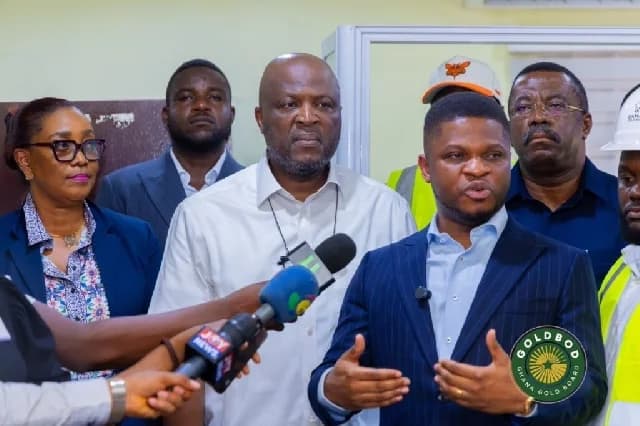
In a landmark development for Ghana's extractive sector, Damang Gold Mine Limited, owned by Ibrahim Mahama’s Engineers & Planners (E&P), has sold its entire first gold output of 110 kg to the Ghana Gold Board (GoldBod). This transaction marks a historic milestone as it is the first time a private, indigenous mining company has fully committed its initial production to state-backed institutions. The gold, which has undergone valuation and processing at GoldBod’s laboratory, is destined for the Bank of Ghana’s reserves as part of the Ghana Accelerated National Reserve Accumulation Programme (GANRAP). This move is strategically designed to bolster the nation’s foreign reserves and enhance the stability of the local currency.
Sammy Gyamfi, CEO of GoldBod, hailed the transaction as a vindication of E&P’s capabilities following earlier skepticism regarding their bid for the Damang Mine. Gyamfi emphasized that the collaboration serves as a blueprint for national development, urging larger, foreign-owned mining firms to emulate this commitment to domestic resource retention. Bobby Banson, a legal representative for E&P, echoed these sentiments, noting that aligning private sector operations with national economic priorities is essential for sustainable growth. He credited the government for creating an enabling environment that allows indigenous firms to contribute significantly to the country's economic resilience.
Beyond this specific sale, the Ghana Gold Board is making broader strides to enhance the local gold value chain. CEO Sammy Gyamfi recently conducted an inspection of the Royal Ghana Gold Refinery to finalize a refining services partnership. This initiative aligns with a broader national vision to end the export of raw minerals by 2030, focusing instead on local processing and value addition. These efforts, combined with symbolic recognitions such as the Bank of Ghana’s presentation of a customized 24-karat gold coin box to the Asantehene, Otumfuo Osei Tutu II, signal a concerted effort to integrate gold more deeply into the nation’s cultural and economic identity.
The successful integration of indigenous output into the national reserve system is expected to foster greater confidence in local participation within the mining industry. By prioritizing domestic refining and reserve accumulation, Ghana aims to retain a larger share of its mineral wealth, create local jobs, and stabilize the macro-economic environment. As GoldBod prepares to finalize its partnership with the Royal Ghana Gold Refinery, the industry looks toward a future where Ghanaian gold provides the foundational strength for the nation’s long-term financial independence.
This story touches markets covered on Anansi Intelligence ↗.
Live rates
Ghana gold price →More from business
Continue exploring similar stories

