••
Controller and Accountant-General to Deduct Salaries of 4,000 Public Sector Workers Over Unpaid Student Loans
•2 min read•8 sources
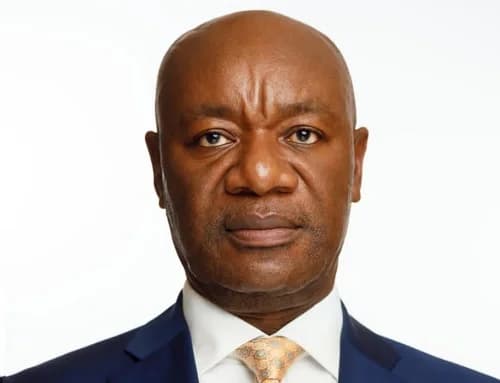
In a major move to ensure the financial sustainability of the national student loan scheme, the Controller and Accountant-General, Kwesi Agyei, has announced that approximately 4,000 public sector workers will soon face automatic salary deductions to settle outstanding debts owed to the Student Loan Trust Fund (SLTF). This recovery initiative is the result of a strategic collaboration between the Controller and Accountant-General’s Department and the SLTF, designed to target delinquent borrowers currently on the government payroll who have failed to meet their repayment obligations.
The announcement was made during the launch of the Student Loan Trust Fund’s 20th-anniversary celebrations, where officials emphasized that improving loan recovery rates is critical for the program’s longevity. Mr. Agyei noted that the office is finalizing plans to integrate the debt recovery process directly into the payroll system, reinforcing compliance among public servants. This measure is expected to recoup significant funds that have remained stagnant, allowing the SLTF to redistribute capital to the next generation of tertiary students.
Despite the challenges with loan recovery, the SLTF has reported significant growth in its operations. Dr. Saajida Shiraz, the Chief Executive Officer of the SLTF, revealed that there has been a 50% increase in access to the regular student loan package. This expansion has seen over GH"127 million disbursed to more than 46,000 students across the country. Dr. Shiraz attributed this success to the timely release of funds from the Ghana Education Trust Fund (GETFund), which has stabilized the scheme’s ability to meet the rising demand for higher education financing.
Supporting this sentiment, Emmanuel Bedzrah, the Chairman of the GETFund Board, reaffirmed the organization's commitment to supporting tertiary education. He emphasized that the GETFund will continue to prioritize timely fund releases to ensure that no eligible student is denied an education due to financial constraints. As the SLTF enters its third decade, the dual focus on aggressive debt recovery from gainfully employed graduates and the expansion of credit to current students marks a pivotal shift toward a more self-sustaining educational funding model for Ghana.
This story touches markets covered on Anansi Intelligence ↗.
More from education
Continue exploring similar stories


