••
GES and GHS Launch Malaria Prevention Campaign to Safeguard Students' Academic Future
•2 min read•1 source
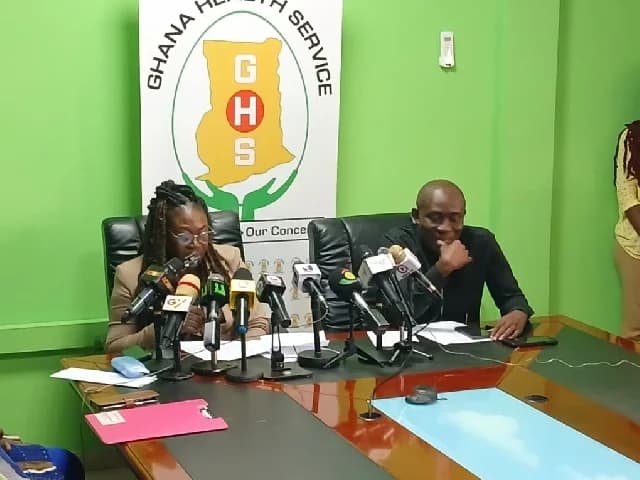
The Ghana Education Service (GES) has underscored the critical link between health and academic performance, describing the latest school-based malaria prevention campaign as a strategic investment in the nation’s future. In a joint briefing with the Ghana Health Service (GHS), the GES called for intensified efforts to protect children from malaria through the consistent use of Insecticide-Treated Nets (ITNs) and the uptake of malaria vaccines. This collaborative initiative aims to reduce absenteeism and improve cognitive outcomes by addressing one of the leading causes of illness among school-aged children across the country. Theresa Oppong Mensah, the National Coordinator for the GES, emphasized during the briefing that the success of the educational sector is intrinsically tied to the health of its students. She noted that malaria remains a significant barrier to learning, often causing students to miss school or struggle with concentration due to recurring bouts of the disease. "Health and education are interconnected," Mensah stated, highlighting that a child who is healthy and protected from malaria is far better equipped to succeed in the classroom. To combat this, the GES is advocating for a multi-pronged approach that combines the distribution of ITNs with the promotion of malaria vaccinations in eligible regions. A major focus of the campaign is the proper and consistent use of ITNs. The GES issued a stern warning against the misuse of these nets for unintended purposes, such as gardening or fishing, which undermines the primary goal of preventing mosquito bites. Families are urged to ensure that every net provided is utilized every night to maximize its protective benefits. Beyond simple distribution, the GES is calling for active community involvement to monitor net usage and educate parents about the life-saving benefits of the malaria vaccine. By fostering a culture of prevention, the service hopes to create a safer environment for children both at home and in school. As the campaign moves forward, the GES and GHS plan to integrate malaria education more deeply into the school curriculum and community outreach programs. The ultimate goal is to move beyond temporary interventions toward a sustainable model where malaria prevention becomes a daily habit for every Ghanaian household. By prioritizing these health measures today, the GES believes it is laying the foundation for a more resilient and educated workforce tomorrow, ensuring that no child’s potential is cut short by a preventable and treatable disease.
This story touches markets covered on Anansi Intelligence ↗.
Related topic
Ghana Education Service (GES): Latest News Today →More from education
Continue exploring similar stories


