••
Kwahu Business Forum Catalyzes Dialogue on Local Banking Autonomy and SME Financial Reforms
•3 min read•21 sources
The Kwahu Business Forum has solidified its position as a premier platform for national economic dialogue, bridging the gap between government policy and private sector investment. Speaking at the forum in Mpraeso, President John Dramani Mahama highlighted the event's evolution into a cornerstone of Ghana’s economic calendar. He praised Chief of Staff Julius Debrah for his visionary leadership in merging the cultural significance of the Kwahu Easter celebrations with high-level business engagement. To support the forum's long-term growth, the President announced ambitious infrastructure plans, including the construction of a permanent convention center and an airstrip in the Eastern Region to facilitate easier access for international and local investors.
Central to the forum's discussions was the critical role of indigenous financial institutions in driving national development. President Mahama offered a strong endorsement of the Agricultural Development Bank (ADB), describing it as "his bank" and commending its successful transition into a universal banking entity that prioritizes agribusiness and MSMEs. Complementing this sentiment, Farihan Alhassan, Managing Director of GCB Bank, advocated for a "Ghana-first" banking model. Alhassan emphasized that unlike multinational banks that are often constrained by distant head-office strategies, GCB’s local decision-making power allows it to respond swiftly and accurately to the specific needs of the Ghanaian economy, particularly in supporting the manufacturing and agricultural sectors.
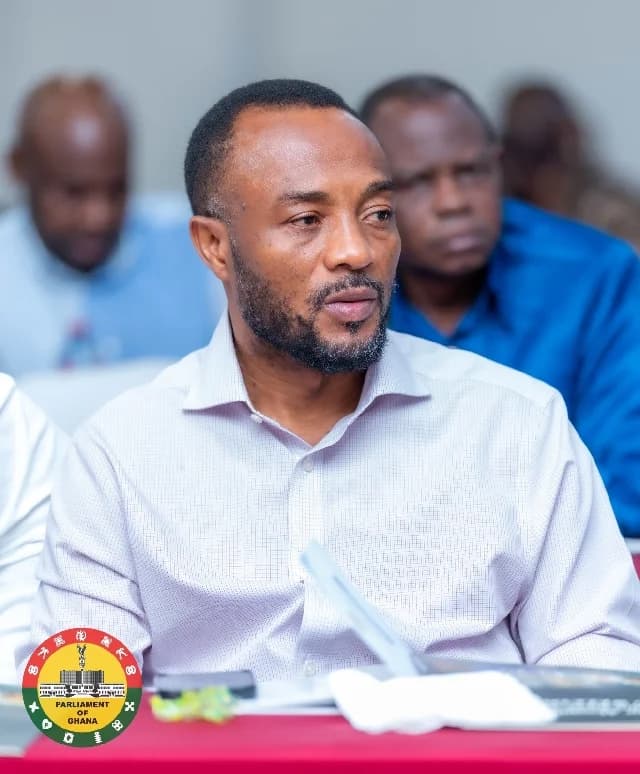
Addressing the systemic hurdles facing local entrepreneurs, Deputy Minority Whip Jerry Ahmed Shaib called for sweeping financial reforms to better support Small and Medium-sized Enterprises (SMEs). Shaib argued that SMEs are the engine of job creation but continue to struggle with high utility costs, complex tax burdens, and limited access to affordable credit. He proposed a shift toward depoliticized entrepreneurship, advocating for mandatory impact assessments for new taxes and the creation of tailored financial products that address the unique risks of local startups. This call for reform was echoed by other stakeholders who emphasized the need for a more transparent and stable business environment to foster sustainable industrial growth.
Beyond high-level policy, the forum showcased practical innovations and safety initiatives impacting the broader economy. The Ghana Education Trust Fund (GETFund) presented its Education Financing and Partnership Initiative (EFPI), which utilizes digital tools like QR codes to mobilize sustainable education funding. Simultaneously, the National Petroleum Authority (NPA) focused on public safety and industry support by conducting LPG safety sensitization and backing the "Nkoko Akəseə" initiative for the poultry sector. These diverse contributions illustrate the Kwahu Business Forum's multifaceted role in addressing the intersection of finance, education, and safety in Ghana’s ongoing economic transformation.
This story touches markets covered on Anansi Intelligence ↗.
Related topic
John Mahama: Latest News & Updates →More from business
Continue exploring similar stories

