••
Transport Minister Joseph Bukari Nikpe Urges Domestic Airlines to Lower Fares Following Import Duty Waivers
•2 min read•18 sources
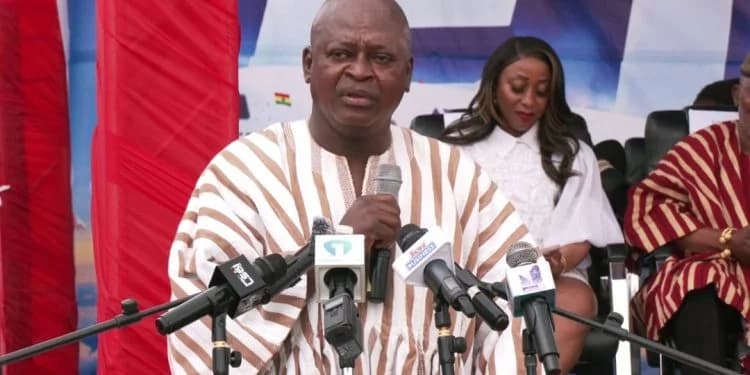
Transport Minister Joseph Bukari Nikpe has issued a strong call to domestic airlines to reduce airfares following the government’s decision to waive import duties on aircraft parts. This directive was highlighted during the unveiling of Africa World Airlines’ (AWA) new 102-seater Embraer E190 aircraft, a move intended to enhance passenger capacity and domestic connectivity. The Minister emphasized that these tax exemptions were specifically designed to lower operating costs for carriers, and he insisted that these savings must be passed on to Ghanaian travelers to make air travel a more accessible and affordable mode of transport.
Speaking at the launch event, Mr. Nikpe stressed that the government expects airlines, particularly AWA, to reflect the benefit of the duty waivers in their ticket pricing immediately. The introduction of the Embraer E190 represents a significant expansion of AWA’s fleet, moving toward larger aircraft that can accommodate more passengers per flight. The government believes that the combination of increased seat capacity and reduced fiscal burdens on maintenance parts creates a clear path for airlines to alleviate the rising travel costs that have burdened the public in recent years.
However, the high cost of domestic flights is not solely attributed to taxes. Appiah Kusi Adomako, the West Africa Regional Director of CUTS International, pointed out that limited competition remains a significant factor in price determination. The market has seen a consolidation of operators, shrinking from four airlines in 2013 to just two main players—AWA and PassionAir—today. While Mr. Adomako noted there is no evidence of price collusion, the lack of a crowded market reduces competitive pressure on fares. He urged the government to create a more attractive environment for low-cost carriers to enter the Ghanaian market, which would naturally drive down prices through competition.
As the administration under President John Mahama continues to push for improved domestic connectivity, the focus remains on ensuring that policy interventions yield tangible benefits for citizens. The government’s ongoing efforts to improve air transport infrastructure and provide financial relief to operators are part of a broader strategy to integrate the country’s regions more effectively. The next phase for the aviation sector will involve monitoring whether these duty waivers result in the requested fare reductions and assessing how new market entrants can be encouraged to foster a more competitive and consumer-friendly aviation industry.
Related topic
John Mahama: Latest News & Updates →

