••
Volta Region Shifts to Investment Execution with Major Infrastructure Pledges and Stakeholder Unity
•3 min read•13 sources
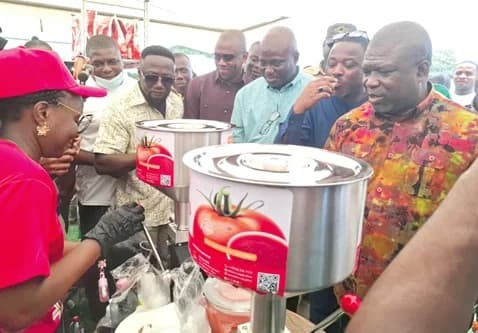
The Volta Region is positioning itself as Ghana’s premier investment destination, signaling a strategic shift from merely identifying economic potential to executing tangible investments. Speaking at the Volta Economic Forum in Ho, Regional Minister James Gunu announced that the region is fully prepared to host businesses seeking to relocate or expand outside Greater Accra. Under the theme "From Opportunity Showcase to Investment Execution," the forum emphasized the availability of vast land, natural resources, and a stable environment. Minister Gunu highlighted a three-point agenda focused on peace, infrastructure development, and economic opportunity, urging the private sector to transform these prospects into job-creating enterprises that will improve local livelihoods.
To facilitate this transition, Lead Convener Dr. Elikplim K. Apetorgbor proposed the establishment of a Volta Development Advisory Council and a Volta Economic Embassy initiative. These bodies are intended to streamline investment processes and provide a dedicated platform for strategic partnerships. The forum highlighted successful precedents, including new sisal farming and aquaculture projects, as evidence of the region's investability. Supporting this vision, Togbe Afede XIV, the Agbogbomefia of Asogli State, called for enhanced cooperation among traditional leaders, government officials, and the private sector. He identified the proposed Keta Harbour, improved railway connectivity, and energy infrastructure as critical catalysts that will drive regional transformation and sustainable growth.
In a major boost to the region's backbone of agriculture, the government has committed to rehabilitating all 22 existing irrigation facilities in the Volta Region by the end of 2027. Minister of Food and Agriculture Eric Opoku revealed that many of these systems, some dating back to the Nkrumah era, are currently operating at only five percent capacity. This rehabilitation effort, supported by financial backing from President John Mahama, is a cornerstone of the Ghana Tomatoes Self-Sufficiency Initiative (GHATSI). The government also plans to introduce subsidized mobile irrigation systems and dredge lagoons to move the region toward year-round irrigation agriculture, especially as regional neighbors have reduced tomato exports to Ghana.
International interest in the region is also on the rise, with Mr. Wang Jinxiao, Chairman of Sunon Asogli Power, urging Chinese businesses to capitalize on the Volta Region's strategic advantages in energy, tourism, and agriculture. He emphasized that the upcoming zero-tariff treatment for African exports to China could significantly enhance the region's economic competitiveness. By focusing on local capacity building and technology transfer, stakeholders aim to create a robust economic ecosystem that transitions from talk to real-world outcomes, ensuring that the Volta Region becomes a central pillar of Ghana's national development strategy.
Related topic
John Mahama: Latest News & Updates →

