••
Business Briefings: Ibrahim Mahama Unveils $70m Private Jet as China Lowers Economic Growth Targets
•3 min read•2 sources
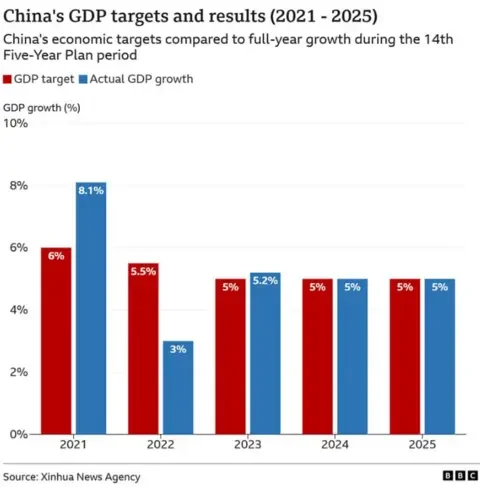
The international business landscape is witnessing a study in contrasts this week, ranging from high-profile private acquisitions in West Africa to significant macroeconomic policy shifts in East Asia. Ghanaian industrialist Ibrahim Mahama, the Chief Executive Officer of Engineers and Planners, has made headlines with the acquisition of a customized Bombardier Global 6500 private jet. Valued at approximately $70 million, the aircraft represents a significant investment in high-end corporate aviation. Meanwhile, on the global stage, China has officially announced a reduction in its economic growth target to between 4.5% and 5%, marking the nation's lowest growth ambition since 1991. These twin developments highlight the varying scales of economic activity, from private wealth expansion to national strategic recalibration. Ibrahim Mahama's new Bombardier Global 6500 is a state-of-the-art vessel designed for long-range international operations, boasting a travel capability of up to 6,600 nautical miles. The jet features a bespoke interior equipped with luxury amenities and Bombardier's advanced Vision flight deck, offering a highly customized flying experience. This acquisition underscores the growing influence of major Ghanaian business leaders on the global stage and their reliance on advanced technology to facilitate cross-border commerce. The move signals a robust confidence in the private sector's ability to navigate the complexities of international trade and logistics. Conversely, the Chinese government is adopting a more cautious posture as it faces a series of structural economic hurdles. During the recent 'two sessions' political gathering, Premier Li Qiang outlined a new focus on innovation and high-tech industries within the country's upcoming Five-Year Plan. This pivot is a direct response to a challenging domestic environment characterized by a property market crisis, sluggish consumer spending, and an ongoing energy crunch. Additionally, international trade tensions and geopolitical conflicts have intensified concerns regarding China's traditional reliance on exports, necessitating a shift toward internal stability and technological self-reliance. As China adjusts to these new economic realities, the impact will likely be felt across global supply chains and commodity markets. While the nation met its previous 5% growth target for 2025, the recent slowdown to 4.5% has prompted several provinces to revise their own growth ambitions. The focus on high-tech sectors suggests that while the pace of growth may be slowing, the quality and nature of China's economic output are being fundamentally transformed. These global and local developments serve as a reminder of the dynamic and often unpredictable nature of the modern business environment, where private success and national policy remain deeply intertwined.
This story touches markets covered on Anansi Intelligence ↗.
More from business
Continue exploring similar stories

