••
Education Minister Haruna Iddrisu Highlights 90,000 Teacher Shortage and GETFund Budget Reallocations
•2 min read•8 sources
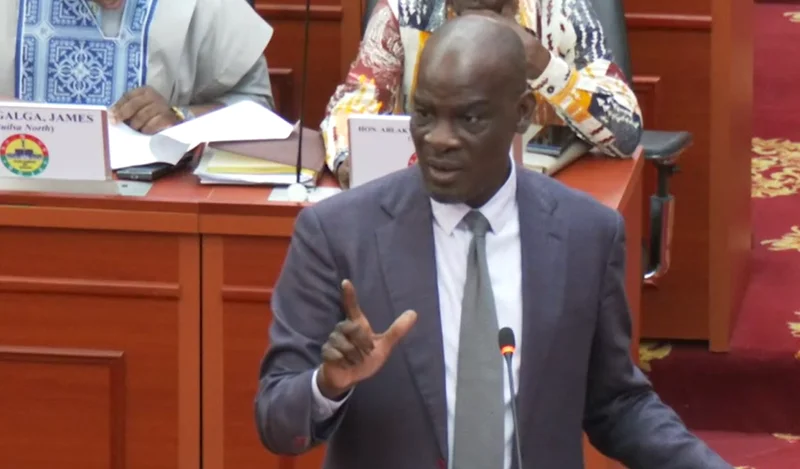
Ghana’s Education Minister, Haruna Iddrisu, has informed Parliament of a critical staffing crisis within the nation's schools, revealing a shortage of between 50,000 and 90,000 teachers. Despite this substantial need, the Minister disclosed that current budgetary approvals only allow for the recruitment of 7,000 new educators. This gap is attributed to severe financial constraints and ongoing educational reforms that have expanded the responsibilities of both the Ghana Education Service (GES) and the Commission for Technical and Vocational Education and Training (CTVET). To address management inefficiencies, the government is considering decentralizing teacher recruitment, which could involve increasing the Common Fund allocation for education from 5% to 7.5% to bolster local education support and accountability.
In addition to staffing challenges, the Minister highlighted a controversial shift in educational financing, noting that 42% of the 2026 GETFund budget has been allocated to the Free Senior High School (Free SHS) program, specifically for student feeding. This move has sparked debate in Parliament, with MP Abena Osei-Asare questioning whether using the GETFund for school feeding aligns with its core mandate of infrastructure and academic support. Minister Iddrisu expressed his own concerns regarding the sustainability of this allocation, warning that such a heavy focus on feeding could jeopardize the funding available for essential infrastructure projects and foundational basic education.
To mitigate infrastructure deficits, the government has announced a GH₵2.5 billion investment plan for second-cycle education infrastructure scheduled for 2026-2027. Backed by the World Bank, this initiative aims to alleviate overcrowding by constructing new classrooms, science laboratories, ICT centers, and libraries across the country. This follows the reported success of the "No Fees Stress" policy, which has provided financial relief to over 312,000 first-year tertiary students, furthering the government's goal of ensuring equitable access to high-level education.
Looking forward, the Ministry is emphasizing digital transformation as a key component of its educational strategy. Plans are underway to integrate robotics and coding into the basic education curriculum to bridge the digital divide and prepare Ghanaian students for a technology-driven global economy. While these forward-looking projects offer promise, the immediate focus remains on reconciling the disparity between the nation’s growing educational demands and the fiscal resources available to meet them, necessitating a potential review of the GETFund's financing structure to ensure long-term stability.
This story touches markets covered on Anansi Intelligence ↗.
Related topic
Ghana Education Service (GES): Latest News Today →More from education
Continue exploring similar stories


