••
Ghana Advances Human Capital Development Through STEM Initiatives, Institutional Mergers, and Global Academic Partnerships
•2 min read•6 sources
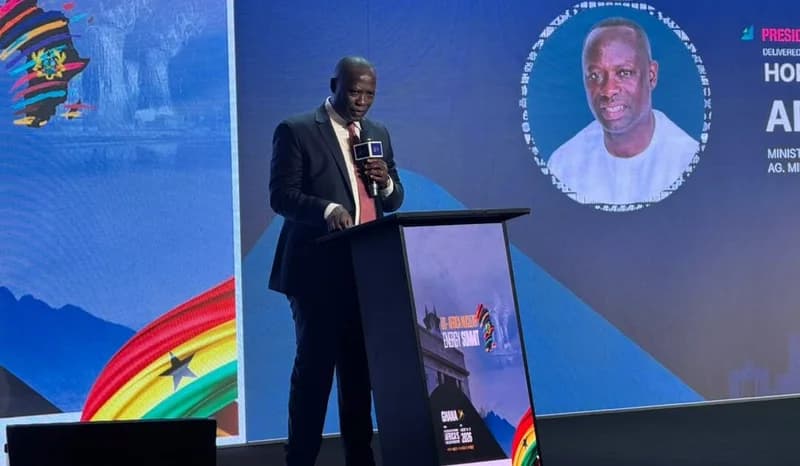
Ghana is increasingly prioritizing the development of specialized human capital to meet the demands of modern industry, ranging from nuclear energy to artificial intelligence. Speaking at the US-Africa Nuclear Summit, Minister Emmanuel Armah-Kofi Buah emphasized that the nation must build "nuclear talent, not just reactors," urging immediate investment in STEM education and engagement with the African diaspora to enhance knowledge transfer. This call for skill-building is echoed by Casely Ato Coleman of IMANI Africa, who warned that Ghanaian graduates must look beyond academic degrees to survive a labor market increasingly reshaped by AI. At the University of Ghana, Coleman highlighted that employers now prioritize cognitive abilities and behavioral attributes, necessitating a shift toward competency-based learning and practical career planning to bridge the gap between theory and practice.
Local institutions are also innovating to improve internal cohesion and professional standards. The University of Media, Arts and Communication (UniMAC) has launched the "Concord" initiative, designed to integrate students from the newly merged institutes of Journalism, Film and Television, and Languages through structured academic competitions. Despite funding hurdles, the initiative has successfully promoted a shared sense of belonging among diverse disciplines, demonstrating that diversity can be a resource for collaboration. Similarly, the Registrar-General’s Department is focusing on internal capacity building, with Registrar-General Grace Ama Issahaque recently leading a two-day workshop for the Ghana Industrial Property Office. The training focused on strict quality control in trademark administration, emphasizing that accurate data capturing is essential for efficient service delivery in Ghana's commercial landscape.
On the international stage, the movement of high-level Ghanaian expertise continues to shape global discourse, though not without institutional challenges. Former Bank of Ghana Governor Dr. Ernest Addison has been appointed as a Senior Research Fellow at Harvard University, where he will lead seminar sessions focusing on his eight-year tenure and Ghana's economic developments. Simultaneously, the tragic passing of prominent academic Jason Arday following his resignation from the University of Cambridge has sparked a critical debate on the duty of care universities owe to the scholars they celebrate. These developments underscore a pivotal moment for Ghanaian education and professional life: a transition toward a model that values practical expertise, institutional accountability, and the strategic cultivation of talent for the 21st-century global economy.
This story touches markets covered on Anansi Intelligence ↗.
More from education
Continue exploring similar stories


