••
GN Bank Legal Victory: From Controversial Collapse to the Challenging Road of Restoration
•3 min read•11 sources
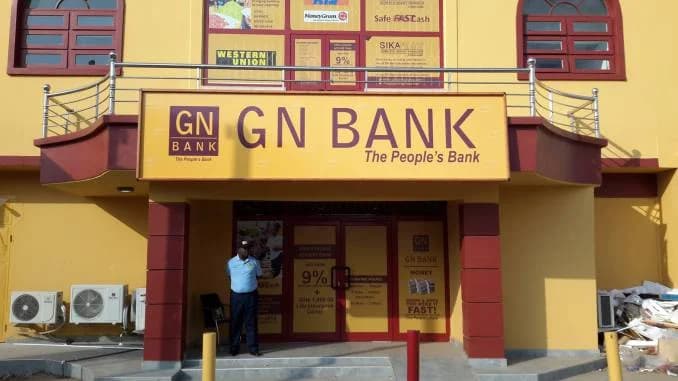
The legal battle over the revocation of GN Savings and Loans’ license has reached a significant turning point following a Court of Appeal ruling in favor of the institution. This decision challenges the 2019 action by the Bank of Ghana, which had cited insolvency and regulatory breaches as grounds for the revocation during the nation’s sweeping banking sector clean-up. The court's acceptance of the institution's argument—that it was solvent at the time of the regulatory action—marks a pivotal victory for Groupe Nduom, paving the way for the restoration of its license and sparking renewed discussions on the management of financial sector reforms.
Dr. Nana Kweku Nduom, President of Groupe Nduom, has highlighted the devastating economic impact of the bank’s closure, revealing that the collapse resulted in the loss of over 4,500 jobs. This figure includes 1,600 direct employees and thousands of indirect staff, such as security and service providers across 300 branches. Beyond the human cost, years of inactivity have led to the severe deterioration of assets. Dr. Nduom noted that many of the company’s physical and financial assets have decayed or been disposed of, making the prospect of rebuilding the institution a challenging and prolonged process. He emphasized that the social consequences for affected families are often overlooked in public policy debates.
At the heart of the dispute is the claim that GN Bank was not truly insolvent but was instead a victim of unpaid government obligations and deliberate misrepresentation. Dr. Nduom alleged that the Bank of Ghana’s refusal to acknowledge significant debts owed to the bank for government-financed contracts undermined public confidence. While the central bank claimed only GH¢30 million was owed, Groupe Nduom maintains that independent audits confirmed a much higher figure which, if settled, would have prevented the liquidity crisis. Cletus Alengah, counsel for GN, argued that the revocation was improperly based solely on insolvency grounds under Section 123 of the Banks and Specialised Deposit-Taking Institutions Act, a position the Court of Appeal has now validated.
The legal victory has also taken on a political dimension, with founder Papa Kwesi Nduom expressing gratitude for the eventual restoration of the bank's license, citing it as the fulfillment of a promise to rectify unjust collapses during the cleanup era. Legal experts, including Bobby Banson, have pointed out that while intervention in the banking sector was necessary, it could have been managed more effectively to mitigate job losses and business failures. As GN prepares to return to the financial sector, the case serves as a landmark precedent for future financial regulation in Ghana, emphasizing the need for transparency and the protection of solvent institutions from administrative errors.
This story touches markets covered on Anansi Intelligence ↗.
More from business
Continue exploring similar stories

