••
Ghana’s 2026 Economic Outlook: World Bank Forecasts 4.8% Growth Amid Major SME and Regional Investment Strategies
•3 min read•18 sources
Ghana’s economic trajectory is set for a period of stabilization as the World Bank projects GDP growth to moderate to 4.8% in 2026, down from an estimated 6.0% in 2025. According to the latest Africa Economic Update, this slowdown is driven by tightening domestic conditions and external pressures, though inflation is expected to ease to approximately 9% by the end of 2026. While macroeconomic indicators show signs of improvement, including currency stability and tight monetary policy, analysts warn of vulnerabilities to global commodity price volatility and geopolitical tensions. This outlook is reflected in the broader Sub-Saharan African context, which is expected to maintain a 4.1% growth rate despite rising downside risks.
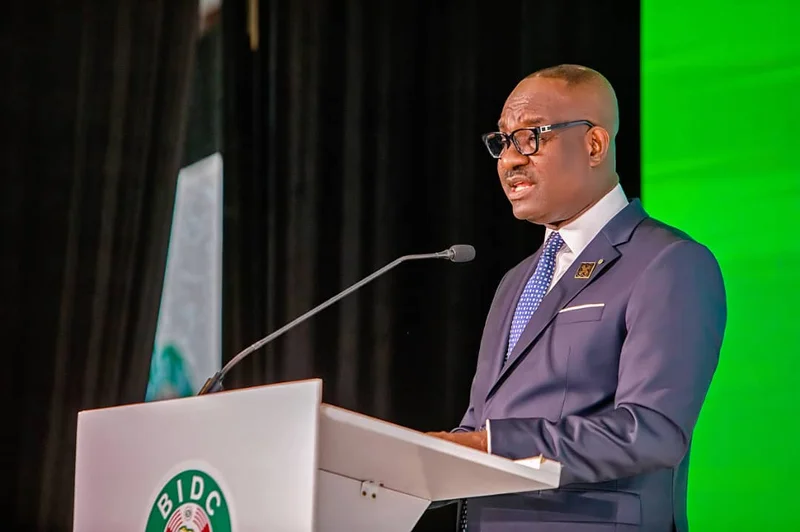
In response to these conditions, the ECOWAS Bank for Investment and Development (EBID) has unveiled an ambitious five-year Growth, Resilience and Optimisation (GRO) Strategy for 2026–2030. President Dr. George A. N. Donkor announced plans to mobilize approximately US$2.69 billion to drive regional integration, job creation, and climate mitigation. EBID’s recent performance underscores this capacity, with the bank reporting a 47.7% increase in disbursements to US$722.69 million in 2025. The new strategy specifically earmarks 63% of investments for private sector job creation, alongside the establishment of a new regional office in Abuja to enhance operational footprint and funding credibility.
A significant portion of this institutional support is targeting Ghana’s small and medium-sized enterprise (SME) sector. EBID intends to channel 22% of its commitments toward SMEs through local commercial banks, focusing on environmental, social, and governance (ESG) projects. This aligns with a broader industry push for sustainable financing; Access Bank Ghana PLC is currently advocating for "patient capital"—long-term, flexible funding that matches MSME growth cycles rather than short-term loans. Additionally, MTN Ghana has expanded its SME Accelerate Programme into a year-long initiative, providing digital tools and management training via a Mini MBA to over 900 businesses to bridge the digital divide.
Efforts to bridge the financing gap are also extending to international partnerships and specialized advocacy. Mobile Web Ghana recently partnered with the Euro Nordic Funding Alliance (ENFA) to connect Ghanaian SMEs with European investors, while stakeholders led by the STAR-Ghana Foundation are pushing for a dedicated Women’s Development Bank. Since women-owned businesses comprise 42% of Ghana’s MSMEs, experts like Prof. Akosua Darkwah emphasize that growth requires not just finance, but structural changes in care responsibilities and family support to allow women entrepreneurs to focus on business expansion.
Despite these positive institutional developments, a critical disconnect remains between macroeconomic data and the daily reality of Ghanaian citizens. MP Alhassan Sulemana Tampuli has highlighted that reduced inflation and stable exchange rates have yet to translate into significant relief in purchasing power for ordinary Ghanaians facing high costs for basic commodities. As the country moves toward 2026, the success of the World Bank’s stability projections and EBID’s GRO Strategy will likely be measured not just by GDP figures, but by the tangible improvement of economic conditions at the micro level and the resilience of the local business ecosystem.
This story touches markets covered on Anansi Intelligence ↗.
Live rates
Bank of Ghana policy rate →More from business
Continue exploring similar stories

