••
International Tribunal Orders Ghana Water to Pay $235 Million Over Teshie Desalination Plant Shutdown
•2 min read•5 sources
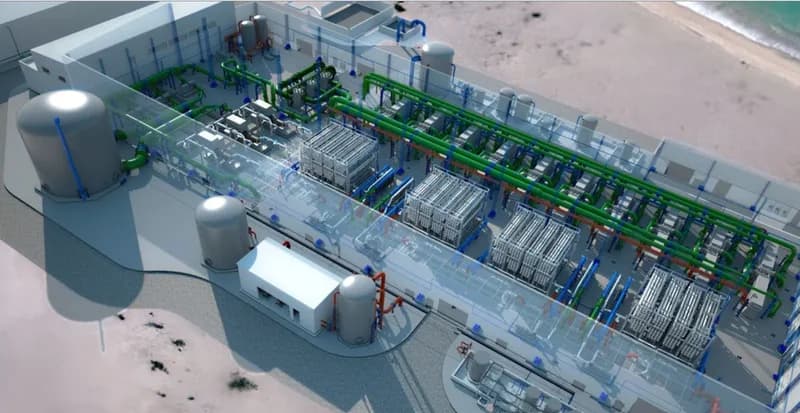
An International Chamber of Commerce (ICC) arbitration tribunal has ordered Ghana Water Limited (GWCL) to pay approximately US$235 million to Befesa Desalination Developments Ghana Limited (BDDG), a subsidiary of the Spanish infrastructure firm Grupo Cox. The ruling, issued on September 17, 2026, concludes a protracted dispute over the termination of a Water Purchase Agreement (WPA) linked to the Teshie-Nungua desalination plant. This significant financial penalty, net of taxes, includes termination payments and interest accrued from April 1, 2026. The tribunal also dismissed Ghana Water’s counterclaims and ordered the utility to cover legal costs associated with the proceedings.
The arbitration award stems from the cessation of operations at the Accra desalination facility, which has been inactive since October 2025. Originally commissioned in 2015 to provide 60,000 cubic metres of water daily to roughly 500,000 residents, the plant became a point of financial contention due to the high operational costs of desalinated water. The liability is rooted in a sovereign guarantee approved by Parliament in 2012, which originally backed the $125 million investment. The current $235 million judgment debt represents a significant escalation of the original project costs, following years of dispute over payments and contractual obligations.
The shutdown of the facility has led to severe water shortages in Teshie, Nungua, and surrounding communities, forcing residents to rely on alternative and often more expensive water sources. In response to the escalating crisis, President John Mahama has directed government officials to engage with shareholders and stakeholders to seek an amicable resolution and restore operations at the plant. While the Mahama administration has prioritized these negotiations to alleviate the domestic water shortage, the binding arbitration award adds a substantial financial burden to the nation's utility sector amid broader economic challenges.
As of late September 2026, Ghana Water Limited has yet to formally declare its final response to the judgment, even as high-level negotiations for a settlement continue. The ruling highlights the long-term fiscal risks associated with large-scale public-private partnerships and the complexities of pricing essential services in the water sector. For the residents of the impacted areas, the primary concern remains the restoration of a reliable water supply—a goal that now hinges on the government’s ability to navigate this massive judgment debt while ensuring the plant’s future commercial viability.
Related topic
John Mahama: Latest News & Updates →
