••
Business Global Digest: Automotive Shifts, Regulatory Crackdowns, and Strengthening Ghana-US Economic Ties
•3 min read•23 sources
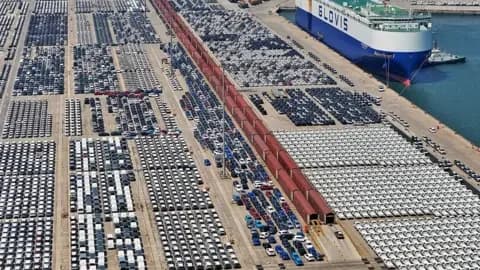
The global automotive industry is facing a significant transformation as traditional manufacturers from the US, Europe, and Japan struggle to maintain their footing against rapidly advancing Chinese rivals. Reports from Auto China 2026 indicate a dramatic decline in the market share of foreign carmakers in China, plummeting from 64% in 2020 to just 32% in 2026. This shift is driven by China's dominance in electric vehicles (EVs), battery technology, and automotive software, bolstered by massive state support and rapid innovation. As industry leaders like Ford and Honda acknowledge the fierce competition, global players are increasingly forced to move away from dominance and toward strategic collaborations with Chinese tech giants like Xiaomi, Huawei, and BYD to remain relevant in the evolving landscape.
Amidst these global pressures, Toyota Motor has reported its third consecutive month of declining global vehicle sales, largely due to performance dips in China and the Middle East. However, the company is doubling down on its sustainability efforts in the Ghanaian market. Toyota Ghana recently unveiled the new RAV4 Hybrid, featuring self-charging technology that combines petrol and electric power without the need for external charging. This launch, introduced by Toyota Tsusho Manufacturing Ghana Co., aims to address rising fuel costs and environmental concerns in the region. The vehicle is specifically designed for local road conditions and comes with a comprehensive customer support package, including a five-year warranty and digital tracking via the MyToyota Connect platform.
In the technology and retail sectors, major regulatory actions are reshaping corporate accountability. The European Union has imposed a €200 million ($232 million) fine on the Chinese-owned online retailer Temu for failing to curb the sale of illegal and dangerous products, including faulty chargers and hazardous toys. This ruling, made under the Digital Services Act (DSA), follows a two-year investigation and requires Temu to submit a corrective action plan by late August. Simultaneously, the US Justice Department has charged Google software engineer Michele Spagnuolo with insider trading. Spagnuolo allegedly used confidential internal data to place over $1.2 million in winning bets on the prediction platform Polymarket, specifically targeting trends in Google’s search data.
On the diplomatic front, Ghana is set to host a high-level US trade and investment mission led by Ambassador Victor Emmanuel Smith from May 30 to June 6. The delegation, which includes business leaders and investors from Pennsylvania, will explore opportunities in agribusiness, fintech, manufacturing, and infrastructure. The mission is designed to position Ghana as a strategic gateway to Africa under the African Continental Free Trade Area (AfCFTA) and foster long-term strategic partnerships through business matchmaking and site visits. This initiative aligns with Ghana’s 24-hour economy policy and efforts to attract Foreign Direct Investment (FDI) to stabilize the domestic economy.
Finally, corporate governance and legal integrity remain in the spotlight as Adamus Resources Limited threatens legal action against media outlets over allegedly false reports regarding regulatory breaches in Mali. The company emphasized its legal distinction from other entities and condemned what it called a coordinated effort to damage its reputation. This follows similar corporate upheaval at energy giant BP, where ousted chairman Albert Manifold has publicly denied allegations of misconduct and bullying that led to his dismissal. Together, these developments highlight a global business environment defined by rapid technological shifts, tightening regulatory oversight, and a renewed focus on regional economic cooperation.
This story touches markets covered on Anansi Intelligence ↗.
More from business
Continue exploring similar stories

