••
Ghana Advances Global Justice with Landmark UN Resolution Amid Strategic Bilateral Engagements and Energy Negotiations
•3 min read•22 sources
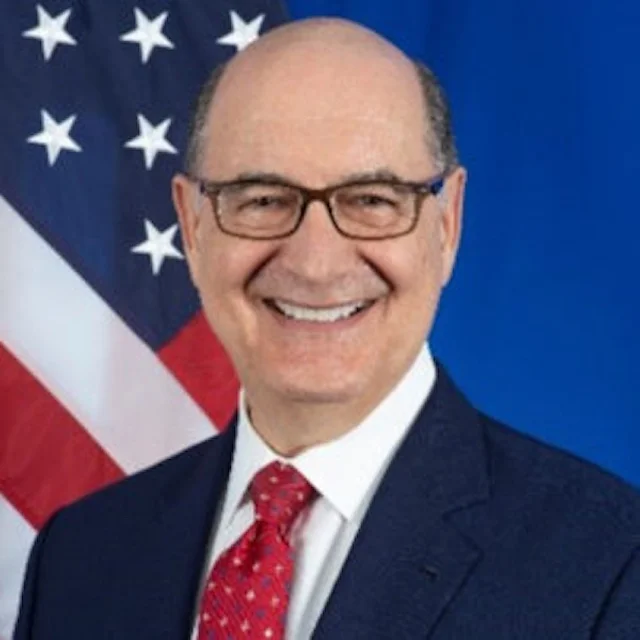
Ghana has secured a significant diplomatic victory at the United Nations with the adoption of Resolution A/RES/80/250, which formally recognizes the transatlantic slave trade and chattel enslavement as grave crimes against humanity. Foreign Affairs Minister Samuel Okudzeto Ablakwa commended the 123 member states that supported the proposal, while vigorously refuting historical narratives that suggest Africa was an equal participant in the trade. Despite the broad international support, the United States opposed the resolution, with Ambassador Dan Negrea citing legal concerns regarding reparations and disputing the proposal's historical definitions. This diplomatic milestone underscores Ghana's leadership in seeking reparatory justice and establishing a unified African voice on the global stage.
On the bilateral front, President John Dramani Mahama is set to host Zimbabwean President Emmerson Mnangagwa for a high-profile three-day state visit beginning April 1, 2026. The visit, which will include full military honors and a state banquet, focuses on deepening cooperation in trade, tourism, and agriculture. This engagement follows a series of diplomatic successes at Jubilee House, where President Mahama recently received credentials from five new envoys representing China, France, Angola, Namibia, and South Sudan. Notably, Chinese Ambassador Cong Song highlighted a record $14.1 billion in bilateral trade, reaffirming Beijing's commitment to supporting Ghana's industrialization and debt restructuring efforts through grants and zero-tariff trade arrangements.
To address domestic economic pressures, the government is intensifying negotiations for a strategic fuel supply partnership with Nigeria's Dangote Refinery. While Government Spokesperson Felix Kwakye Ofosu clarified that a definitive start date is yet to be finalized, the deal is a cornerstone of the administration's plan to stabilize volatile fuel prices and ensure supply security. This move comes amid global energy anxiety, with Egyptian President Abdel Fattah al-Sisi warning that oil prices could exceed $200 per barrel due to Middle Eastern conflicts. Domestically, the Ghanaian government is considering a review of fuel taxes and the gradual resumption of operations at the Tema Oil Refinery (TOR) to shield consumers from international market shocks and geopolitical disruptions in the Strait of Hormuz.
These diplomatic and economic efforts are unfolding against a backdrop of regional instability and political shifts across the continent. In the Central African Republic, Faustin-Archange Touadera has been sworn in for a third term, pledging to prioritize national unity and security. Closer to home, the tragic killing of seven Ghanaian traders in Burkina Faso has sparked intense debate regarding state responsibility and the need for hybrid security governance. These multifaceted developments illustrate Ghana's proactive approach to navigating global justice, economic resilience, and regional security in an increasingly complex international environment.
This story touches markets covered on Anansi Intelligence ↗.
Related topic
John Mahama: Latest News & Updates →More from politics
Continue exploring similar stories


