••
Global Political Volatility: Trump Navigates Iran Conflict and Legal Battles as West Africa Grapples with Security and Trade
•3 min read•27 sources
The global political landscape is currently dominated by escalating tensions in the Middle East and significant policy shifts within the United States. U.S. President Donald Trump recently announced that military objectives against Iran are nearing completion after five weeks of conflict, citing significant damage to Iran’s naval and air forces. However, this optimism is met with international and domestic skepticism. UK Chancellor Rachel Reeves expressed sharp criticism of the U.S. decision to engage in war without a clear exit strategy, warning of severe impacts on global inflation and energy security. Within the U.S., the conflict has triggered a rise in gasoline prices and market instability, while the Trump administration simultaneously faces intense legal scrutiny over executive orders aimed at restricting birthright citizenship and tightening mail-in voting procedures. The dismissal of Attorney General Pam Bondi, amid criticisms of her handling of high-profile investigations, further underscores the administrative turbulence in Washington.
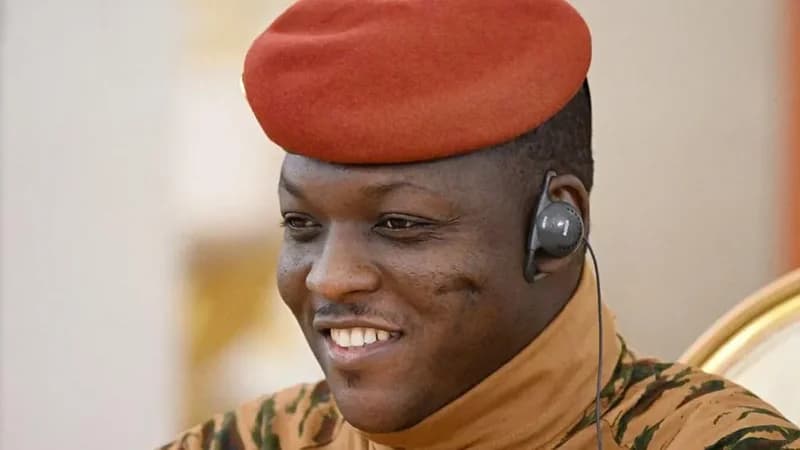
In West Africa, the geopolitical focus is split between humanitarian crises and diplomatic milestones. A harrowing report from Human Rights Watch has revealed that over 1,800 civilians have been killed in Burkina Faso since Captain Ibrahim Traoré’s 2022 coup, with many deaths attributed to military actions and allied militias. This surge in violence has prompted calls for International Criminal Court intervention. Despite these security challenges, there are signs of stabilizing regional relations; the Government of Ghana has formally welcomed Burkina Faso’s decision to lift its suspension on tomato exports. This move, facilitated by bilateral talks led by Ghana’s Trade Minister Elizabeth Ofosu-Adjare, is expected to alleviate domestic shortages and stabilize market prices in Ghana. Meanwhile, former Ghanaian President Nana Addo Dankwa Akufo-Addo is set to lead an ECOWAS Election Observation Mission to Benin for their upcoming April 2026 presidential elections, signaling a continued commitment to democratic oversight in the sub-region.
Legal and social developments across other territories further highlight a global trend of institutional reform and human rights advocacy. In Uganda, legal societies are moveing to block a controversial deportation deal with the United States, citing transparency concerns and potential human rights violations. Domestically in Ghana, the 8th National Women’s Summit emphasized the practical implementation of the Affirmative Action Act to ensure gender parity in leadership by 2034. Additionally, regional efforts to improve judicial and carceral systems were highlighted at an ECOWAS symposium, where prison officials called for collective action to enhance inmate welfare. These disparate events—from the 50th anniversary of Palestinian Land Day to Brazil’s new legislation on pet custody—collectively illustrate a world in flux, where traditional governance is being challenged by both conflict and evolving societal values.
This story touches markets covered on Anansi Intelligence ↗.
More from politics
Continue exploring similar stories


