••
Education Ministry Overhauls SHS Placement Policy and Announces Major Recruitment Drive
•3 min read•19 sources
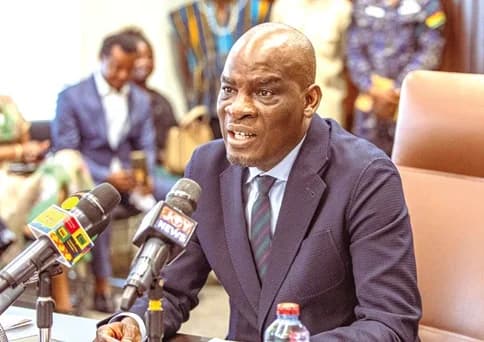
The Government of Ghana, through Minister of Education Haruna Iddrisu, has announced a significant overhaul of the Computerised School Selection and Placement System (CSSPS), marking a shift toward a merit-based and transparent admission process. Under the new policy, Basic Education Certificate Examination (BECE) candidates will now select their preferred Senior High Schools only after their results are released, rather than before the exams. This reform provides a one-week window for students and parents to make informed choices based on actual academic performance. Additionally, the government is restoring the catchment area policy and reserving a dedicated percentage of placements for school alumni to ensure fairness and predictability in the placement cycle.
While the reforms have been broadly welcomed by stakeholders like the Institute for Education Studies (IFEST) and the Pre-Tertiary Teachers Association of Ghana (PRETAG) for addressing placement mismatches, others have expressed caution. The National Council of Parent-Teacher Associations (PTA) raised concerns regarding the tight implementation timeline, warning that hasty execution could disrupt marking and results processing. Concurrently, the Ministry has received clearance to recruit 7,000 graduate teachers starting April 10, 2026, alongside 1,200 faculty members for public universities. However, PRETAG has characterized the recruitment of 7,000 teachers as inadequate to solve the systemic staffing shortages currently facing the education sector.
Beyond secondary education, the government is intensifying its focus on tertiary reforms and industrial transformation. Plans are underway to establish a second campus for the University of Mines and Technology (UMaT) at Kenyasi No. 2, which will specialize in mining, agribusiness, and entrepreneurship. This move aligns with a broader strategy to decentralize higher education and improve vocational training. Meanwhile, the Ghana Tertiary Education Commission (GTEC) has issued a stern warning to institutions to strictly adhere to revised admission criteria for mature students. These regulations require applicants to be at least 25 years old with relevant work experience and passing entrance exam marks to maintain national educational standards.
On the local level, Members of Parliament and municipal leaders are driving educational equity through infrastructure and direct support. In Tano North, Dr. Gideon Boako has empowered 2,200 BECE candidates by distributing mathematical sets and pledging full boarding kits for their transition to senior high school. In Lawra, MP Bede A. Ziedeng has broken ground for a new headmaster’s bungalow at Birifoh SHS to improve administrative stability. Furthermore, in Kwadaso, Municipal Chief Executive Eric Assibey has urged persons with disabilities to utilize the government’s no-fee education policy, distributing business and educational materials to alleviate financial burdens. Together, these initiatives reflect a multi-tiered approach to modernizing Ghana’s educational landscape from the grassroots to the tertiary level.
This story touches markets covered on Anansi Intelligence ↗.
More from politics
Continue exploring similar stories


