••
Ghana’s Healthcare Crisis: Systemic Failures, Political Accountability, and the 2026 Recruitment Drive
•3 min read•31 sources
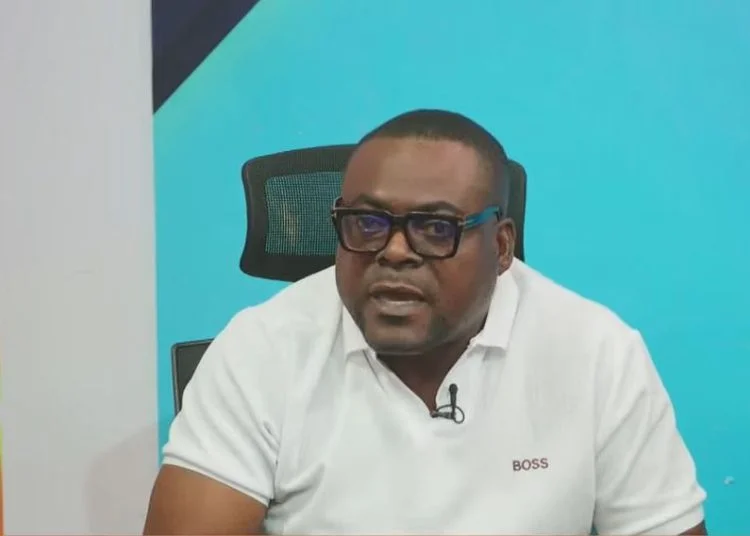
Ghana’s healthcare sector is facing a critical juncture as government officials and medical experts confront a series of systemic failures, ranging from a deadly "no-bed syndrome" to significant infrastructure deficits. During a recent national dialogue, Deputy Health Minister Dr. Grace Ayensu-Danquah labeled the country’s emergency healthcare failures as "unacceptable," warning that delays and refusals of care are costing lives. This sentiment was echoed by Perpetual Ofori-Ampofo, President of the Ghana Registered Nurses and Midwives Association (GRNMA), who highlighted that major facilities like Korle Bu Teaching Hospital are overwhelmed by a growing population and insufficient bed capacity. The crisis was tragically illustrated by the death of Charles Henry Amissah, who was reportedly turned away by three hospitals following a hit-and-run accident, sparking public outrage and urgent calls for reform in emergency protocols.
Medical specialists have warned that the healthcare system is on the verge of collapse, with some facilities operating at 300% of their intended capacity. Dr. Joseph Bonney, an Emergency Medicine Specialist, pointed out that hospitals designed for dozens of patients are regularly treating hundreds, leading to a dangerous gap between Ghana’s international health commitments and its domestic reality. This overcrowding is exacerbated by a lack of preventative care, according to Dr. Kwame Asiedu Sarpong of CDD-Ghana, who argued that expanding emergency room capacity is only a temporary fix. He emphasized that the "no-bed syndrome" is a symptom of broader systemic issues, including human negligence and a failure to prioritize public health interventions and early detection.
In response to these challenges, the Ministry of Health has announced a massive nationwide recruitment exercise for health professionals, scheduled to commence on April 16, 2026. According to Ministry spokesperson Tony Goodman, this initiative is supported by a financial clearance valid until the end of 2026 and will be decentralized at the district level to ensure equitable distribution, particularly in underserved areas. The recruitment process aims to be transparent and competitive, utilizing a quota system to fill verified vacancies. While this move is seen as a necessary step to bolster the workforce, it comes amid ongoing labor unrest, such as the strike by casual workers at Tamale Central Hospital over five months of unpaid salary arrears, highlighting the persistent financial hurdles within the sector.
Adding to the political complexity of the healthcare landscape are controversies surrounding major infrastructure projects and local resource gaps. Former Health Minister Dr. Bernard Okoe-Boye recently defended a GH₵20 million payment for the stalled Parliamentary Hospital project, asserting that significant preparatory work was completed despite the project's valuation at $46 million. Meanwhile, traditional leaders like the Okyenhene, Osagyefuo Amoatia Ofori Panin, have expressed frustration over the state of local facilities, noting that the 100-year-old Kyebi Government Hospital still lacks essential laboratory equipment and scanners. These localized grievances, combined with the Gender Ministry’s efforts to strengthen social protection through visits to facilities like the Accra Psychiatric Hospital, underscore the multi-faceted nature of the crisis.
Moving forward, the success of Ghana’s healthcare reform will likely depend on the government’s ability to move beyond reactive measures. While the 2026 recruitment drive offers hope for a more robust workforce, experts insist that a holistic approach—integrating preventative medicine, ensuring timely payment of workers, and fulfilling promises for regional emergency centers—is essential. As the Ministry of Health works to complete its hiring process by the December 31, 2026, deadline, the pressure remains on political leaders to bridge the gap between policy announcements and the lived reality of patients seeking life-saving care in Ghana’s emergency wards.
This story touches markets covered on Anansi Intelligence ↗.
More from politics
Continue exploring similar stories


