••
Ghana’s Economic Outlook Brightens with Surge in Travel and Strategic Focus on ESG Sustainability
•3 min read•18 sources
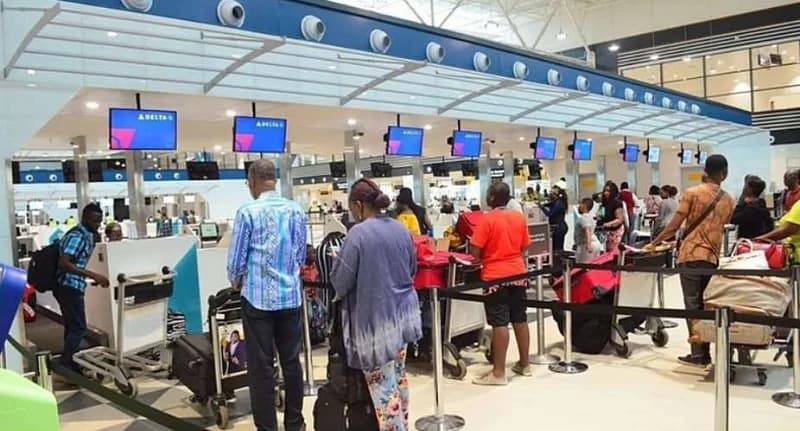
Ghana’s business and aviation sectors are demonstrating remarkable resilience and growth, evidenced by a significant influx of 96,000 passenger arrivals in March 2026. Data from the Bank of Ghana indicates that this surge positions the country as a primary regional hub for tourism, business travel, and West African investment. This momentum is being complemented by a high-level focus on sustainable development, as seen at the 11th International Conference on Business Management and Entrepreneurial Development (ICBMED) hosted by the University of Professional Studies, Accra (UPSA). The conference, which centered on Environmental, Social, and Governance (ESG) standards, highlighted how integrating sustainability is becoming essential for Africa’s competitiveness and attractiveness to global investors.
Supporting this drive toward economic maturity are initiatives aimed at bridging the gap between strategic planning and practical execution. Research highlighted during recent industry discussions reveals that only 25% of organizations successfully execute their strategic plans, underscoring a need for a holistic "execution culture" rather than a mere focus on performance metrics. To address specific professional barriers, Access Bank (Ghana) Plc partnered with Deloitte Ghana to host a workshop for women entrepreneurs. This initiative focused on financial literacy and strategic management, moving beyond capital access to provide female business leaders with the technical tools necessary for sustainable growth and long-term business scaling.
On the local and industrial front, various sectors are adopting technology and advocacy to improve economic outcomes. The Asunafo North Municipal Assembly has deployed the DL-Rev Software to curb revenue leakages and boost its Internally Generated Fund for infrastructure projects. Simultaneously, the construction industry is seeing new media-driven partnerships, such as Casa Royal joining The Build Project as an official tiles partner to educate the public on quality home renovation. However, challenges remain in urban development; in Ashaiman, calls for compensation have intensified after a demolition exercise destroyed over 50 shops, with local developers urging the government to prioritize structured planning and support for displaced traders who have occupied the land for decades.
Beyond domestic operations, Ghanaian businesses continue to emphasize social responsibility and consumer protection. SIC Life Insurance Company recently demonstrated this through significant donations of food and cash to the Dambai Muslim community for Eid-ul-Adha, while also expanding its physical footprint with a new branch in Krachi East. On the international stage, consumer protection has taken center stage as FIFA faces investigations from U.S. authorities over 2026 World Cup ticket pricing. Allegations of a 34% price hike through phased strategies highlight the ongoing global scrutiny of market practices. Together, these developments reflect a Ghanaian economy that is increasingly integrated, technologically driven, and focused on both ethical leadership and robust infrastructure growth.
This story touches markets covered on Anansi Intelligence ↗.
More from business
Continue exploring similar stories

