••
Empowering Ghana’s Entrepreneurial Ecosystem: SME Support and Technological Shifts Drive National Economic Agenda
•3 min read•25 sources
Ghana’s business landscape is undergoing a significant transformation, anchored by a robust multi-sectoral push to empower small and medium-sized enterprises (SMEs) and youth entrepreneurs. At the forefront of this movement, the National Entrepreneurship and Innovation Programme (NEIP) has commenced the disbursement of grants to 3,212 high-potential businesses under the 2025 Adwumawura Programme, following the training of nearly 11,000 young Ghanaians. Complementing these government efforts, Fidelity Bank Ghana has launched the second cohort of its Orange Inspire initiative, offering GH¢600,000 in grant funding to creative entrepreneurs. Meanwhile, StarLife Assurance and MTN Ghana have introduced a landmark insurance package for winners of the 2025 SME Ghana Awards (SMEGA), providing each awardee with GH¢100,000 in life insurance and business protection. These initiatives collectively aim to build financial resilience and provide the necessary capital for sustainable growth in a sector that forms the backbone of the national economy.
Beyond financial support, industry experts are urging Ghanaian businesses to adopt more strategic and intentional approaches to growth. Oheneba Yaw Boamah, founder of Abrantie TheGentleman, emphasized during the 'My Hustle' event that success in the creative and textile industries depends on deliberate career planning and multidisciplinary expertise rather than chance. This sentiment is echoed in the digital sphere, where Stanbic Bank is encouraging women-led businesses to move beyond passive social media use. By mastering the 'Digital Handshake'—the process of converting online followers into paying clients—and building credible digital profiles, SMEs can unlock new avenues for visibility and financing. Leaders are also highlighting the importance of leveraging Gen Z’s digital fluency, framing the younger generation’s technological affinity as a strategic asset for marketing agility and innovation rather than a workplace challenge.
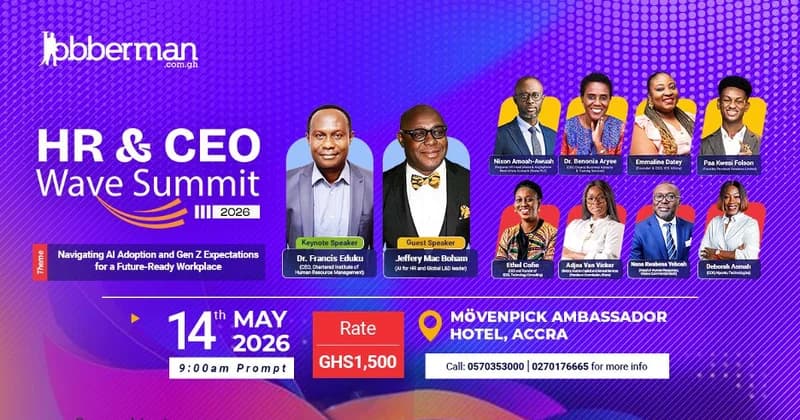
As the corporate world prepares for the future, the integration of Artificial Intelligence (AI) and the evolution of Human Resources (HR) have become critical focal points. Jobberman Ghana’s upcoming HR & CEO Wave Summit 2026 is set to address these dynamics, focusing on responsible AI adoption and meeting the expectations of a changing workforce. Experts suggest that HR in Ghana must transition from administrative functions to strategic 'workforce architecture,' utilizing data analytics to build high-performance cultures. This shift toward operational excellence is already being recognized across the country, as seen in the 100 Ghana Titans Awards, where Divine Kweku Tetteh was honored for leadership in occupational safety, highlighting the growing corporate priority on better working environments and HSEQ management.
Ghana’s entrepreneurial success is also gaining regional recognition, fostering new opportunities for international collaboration. The 16th Ghana Entrepreneurs Awards and the upcoming 9th Ghana-West Africa Business Excellence Awards (WABEA) in June 2026 serve as major platforms for celebrating innovation and leadership. These events are increasingly becoming catalysts for regional integration, evidenced by the Sierra Leone High Commission’s recent call for Ghanaian businesses to invest in sectors like agriculture and energy in Sierra Leone. As diplomatic relations evolve into actionable economic partnerships, Ghana’s business community is being positioned not just for domestic success, but as a central player in the broader West African economic landscape under the AfCFTA framework.
This story touches markets covered on Anansi Intelligence ↗.
More from business
Continue exploring similar stories

