••
Ghana Accelerates Domestic Production Drive with Major Reforms in Shea, Gold, and Food Sectors
•3 min read•5 sources
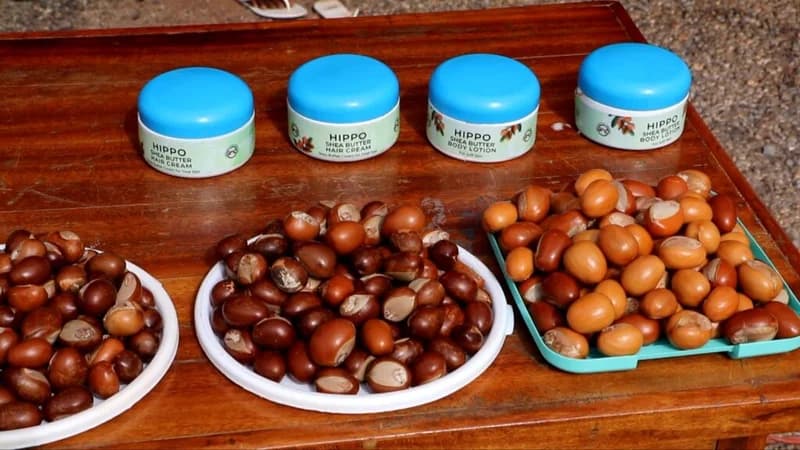
Ghana is intensifying its efforts to achieve economic resilience by launching a series of ambitious initiatives aimed at bolstering local processing, formalizing resource management, and curbing the country’s heavy reliance on imports. From the introduction of the World Shea Expo 2026 to radical reforms in the gold purchasing sector and strategic interventions in rice and poultry production, the government and industry stakeholders are aligning to maximize domestic value addition. These measures collectively aim to address trade imbalances and stimulate industrial growth through targeted policy shifts and capacity building.
In the Upper West Region, the launch of the World Shea Expo 2026 in Wa signaled a major policy shift, with Regional Minister Charles Lwanga Puozuing and industry leaders announcing a phased restriction on raw shea nut exports. This move is designed to encourage local processing and is supported by a proposed 24-Hour Economy policy to boost industrial output. Parallel to these efforts, the Ghana Gold Board (GOLDBOD) has introduced the Ghana Accelerated National Reserve Accumulation Programme (GANRAP). CEO Sammy Gyamfi revealed that GOLDBOD will transition from using forex bureau exchange rates to more efficient interbank rates for gold purchases, a strategy that has already slashed operational costs from 16% to 7.25%, with further reductions planned to enhance national reserves.
Beyond industrial resources, Ghana is aggressively tackling food security challenges, specifically addressing the $500 million annual rice import bill and the sharp decline of the poultry industry. The Korea-Africa Food and Agriculture Cooperation Initiative (KAFACI) is currently training local rice farmers and millers in climate-smart agronomic practices to boost yields using ten new seed varieties. Simultaneously, stakeholders in the poultry sector are advocating for a National Poultry Master Plan to reverse a historic decline where local production plummeted from 80% to just 10%. The proposed framework aims for a production target of 12 million birds annually to meet half of the domestic demand within three years through targeted investments in feed mills and processing facilities.
These multi-sectoral reforms underscore a unified national strategy to retain wealth within Ghana’s borders and empower local producers. By formalizing artisanal mining, protecting shea trees through new local laws, and providing essential equipment and training to rural cooperatives, the country is positioning itself for sustainable growth. As these programs move from planning to execution, the success of the 2026 World Shea Expo and the GANRAP gold program will serve as critical benchmarks for Ghana’s journey toward an investment-driven, self-sustaining economy.
This story touches markets covered on Anansi Intelligence ↗.
Live rates
Ghana gold price →More from business
Continue exploring similar stories

