••
Ghana’s Real Estate Sector Eyes Diaspora Capital as Kasa Properties Launches Prime Accra Luxury Development
•2 min read•2 sources
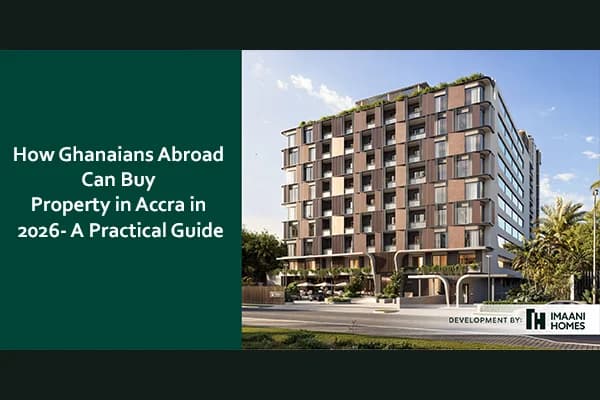
Ghana’s real estate landscape is undergoing a significant transformation, driven by a surge in diaspora investment and the development of high-end residential projects. This momentum is highlighted by the upcoming launch of Prime Accra by Kasa Properties on March 31, 2026. Set within the prestigious Airport Residential corridor, the project emerges at a time when the sector is increasingly fueled by remittances, which reached a staggering $6.65 billion in 2024. This influx of capital is reshaping urban living in the capital, positioning Accra as a hub for both luxury residential needs and investment-grade assets.
Prime Accra is designed to directly address the national housing deficit while meeting the sophisticated demands of modern urbanites and international investors. The development will offer a diverse range of units, from compact studios to expansive penthouses, tailored to attract various market segments. Beyond residential space, the project integrates premium lifestyle amenities such as a state-of-the-art gym, an indoor swimming pool, and dedicated retail spaces. According to Kasa Properties, the focus remains on high-quality construction and realistic investment returns, reflecting a maturing property market that prioritizes long-term value and modern urban living standards.
For Ghanaians living abroad, projects like Prime Accra and those by developers such as Imaani Homes represent a tangible way to channel wealth back home into secure assets. However, navigating the local market requires specific diligence for those not physically present. Industry experts emphasize the importance of securing licensed legal representation through the Ghana Bar Association to manage complex leasehold agreements and ensure mandatory property registration. To support this demand, the financial environment has become more accommodating; diaspora buyers can now access structured payment plans and foreign-currency loans from select Ghanaian banks, simplifying the path to property ownership.
As the March 31 launch approaches, the synergy between local infrastructure development and international funding continues to strengthen. The shift toward "investment-grade" real estate suggests that Accra is no longer just building houses, but is creating a sophisticated asset class for the global Ghanaian community. For prospective buyers, the evolving market offers both modern luxury and a strategic hedge against economic volatility. This trend signals a robust future for Ghana’s urban centers, where high-end residential living and strategic financial investment are increasingly intertwined.
This story touches markets covered on Anansi Intelligence ↗.
More from business
Continue exploring similar stories

