••
Ghana Utility Tariffs to Drop in April as PURC Announces Lower Electricity and Water Rates
•3 min read•15 sources
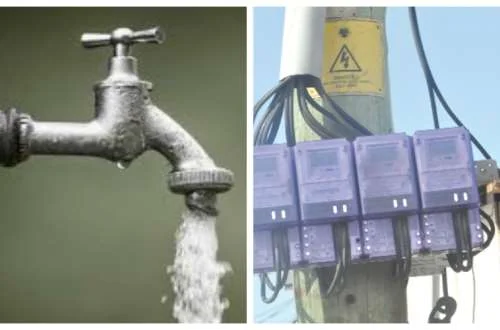
The Public Utilities Regulatory Commission (PURC) has announced a nationwide reduction in utility tariffs effective April 1, 2026. Electricity charges are set to decrease by an average of 4.81%, while water tariffs will see a reduction of 3.06%. According to the Commission, this quarterly review was influenced by several favorable macroeconomic indicators, including the appreciation of the Ghana Cedi against the US Dollar and a significant decline in domestic inflation. The projected exchange rate used for this review period was GH¢11.1931 to US$1, representing a 6.78% improvement from the previous quarter, providing the necessary fiscal space for these consumer-friendly adjustments.
Specific rate adjustments will provide relief across various consumption categories. For residential lifeline electricity customers, rates will drop from 88.37 GHp/kWh to 86.90 GHp/kWh, while general residential consumers using up to 300 kWh will see their rates fall from 200.22 GHp/kWh to 196.88 GHp/kWh. Industrial and high-voltage commercial users are expected to benefit the most, with some categories seeing tariff cuts of up to 15.43%. In the water sector, residential lifeline consumers will now pay GH¢5.93 per cubic meter, down from GH¢6.12. Dr. Shafic Suleman, the Executive Secretary of PURC, emphasized that these decisions aim to balance the protection of consumers from high costs with the essential need to maintain the financial sustainability of utility providers.
In a landmark move to support Ghana’s green energy transition, the PURC also introduced the country’s first-ever regulated commercial Electric Vehicle (EV) charging tariff. The new rate is set at GH¢2.016 per kilowatt-hour, accompanied by a monthly service charge of GH¢500. This initiative is designed to encourage the adoption of sustainable transport and provide a structured pricing framework for the burgeoning EV market. By establishing clear costs for commercial charging stations, the government hopes to catalyze private sector investment in clean energy infrastructure while reducing the nation’s dependence on fossil fuels.
Despite the reductions, the announcement has met with some resistance from consumer advocacy groups. The People’s Forum has formally rejected the 4.81% electricity cut, labeling it inadequate and calling for a minimum 10% reduction. The Forum argues that the current adjustment merely corrects previous overcharges and does not go far enough to alleviate the cost-of-living pressures faced by households. They have urged the PURC to accelerate meter recalibrations and consider a tariff freeze if economic conditions remain stable. As the new rates take effect in April, the PURC maintains that its strategic approach ensures both better service delivery for consumers and the operational viability of the nation's utility infrastructure.
This story touches markets covered on Anansi Intelligence ↗.
Live rates
Dollar to cedi rate →More from business
Continue exploring similar stories

