••
Ghana Strategizes to Reshape Agribusiness Through Poultry Reforms, Shea Coordination, and SME Investment
•3 min read•9 sources
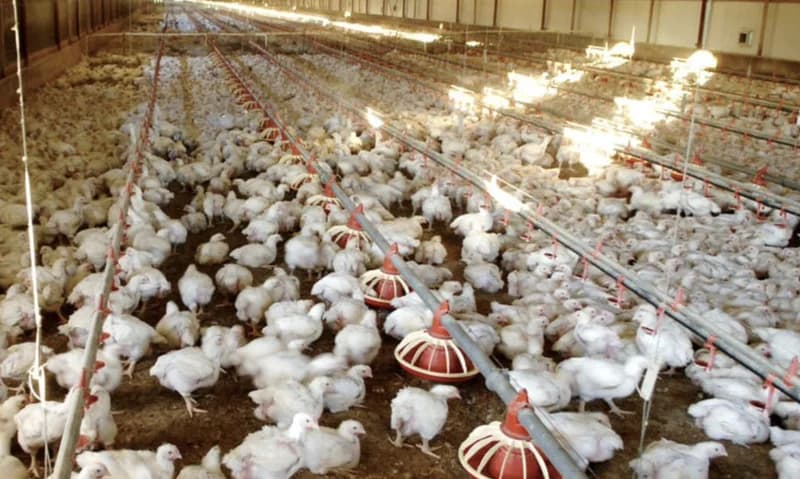
Ghana's agricultural landscape is undergoing a critical transition as stakeholders push for structural reforms to curb import dependency and enhance local production. From the development of a National Poultry Master Plan to calls for regional alignment in the shea industry, there is a concerted effort to transform fragmented systems into integrated value chains. However, these ambitions face significant hurdles, including a deepening financial crisis within the state-owned cocoa sector and persistent financing gaps for small and medium enterprises (SMEs) that form the backbone of the economy.
Central to this transformation is the "Nkoko Nketenkete" initiative under the Feed Ghana Programme, which seeks to revitalize domestic poultry production. Historically, Ghana’s poultry production has plummeted from 80% to just 10% of market share, leaving imports to fill 90% of national demand at a high cost to the economy. To counter this, stakeholders are drafting a Poultry Master Plan aimed at securing investment for feed mills, hatcheries, and processing facilities. National Coordinator Bright Demordzi and other advocates have emphasized that increasing local patronage is essential for job creation and food security. The initiative has already supported 60,000 households with birds and training, targeting a 50% fulfillment of national poultry demand within three years.
Parallel efforts are underway in the shea and agrifood sectors to empower local actors and secure sustainable growth. At the 18th Annual Global Shea Alliance Conference, AAK urged for stronger regional coordination and better logistics to empower the women collectors who dominate the sector. Programs like Kolo Nafaso, which supports over 275,000 women, demonstrate the potential of integrated value chains. This push for industry-wide coordination mirrors concerns raised at the Ghana Agri-Food Investment Forum, where SMEs—which contribute 70% of Ghana's GDP and 85% of manufacturing employment—advocated for improved access to long-term financing to bridge the current investment gap.
Despite these forward-looking initiatives, the cocoa sector is grappling with a severe liquidity crisis that threatens the livelihoods of primary producers. The state-owned Producer Buying Company (PBC) faces potential asset seizure due to debts totaling 673 million cedis ($60 million). This financial distress has left many farmers unpaid for deliveries, with the PBC’s market share shrinking from 30% to less than 5%. To ensure the long-term viability of the broader agricultural sector, the Ghana Youth Agriculture Summit (GYAS) is also working to promote agri-entrepreneurship among young Ghanaians, aiming to tackle unemployment by rebranding modern farming as a viable and innovative career path.
The convergence of these developments underscores a pivotal moment for Ghana’s agribusiness sector. While the roadmaps for poultry and shea offer a path toward self-sufficiency and empowerment, the financial instability within the cocoa industry serves as a stark reminder of the urgent need for structured interventions and fiscal discipline. Moving forward, the success of Ghana's economic diversification will depend on the government’s ability to stabilize state entities while creating a sustainable investment ecosystem that supports both rural farmers and emerging agri-SMEs.
This story touches markets covered on Anansi Intelligence ↗.
More from business
Continue exploring similar stories

