••
Ghana Braces for Steep Fuel Price Increases as NPA Adjusts Minimum Floors Amid Global Tensions
•3 min read•11 sources
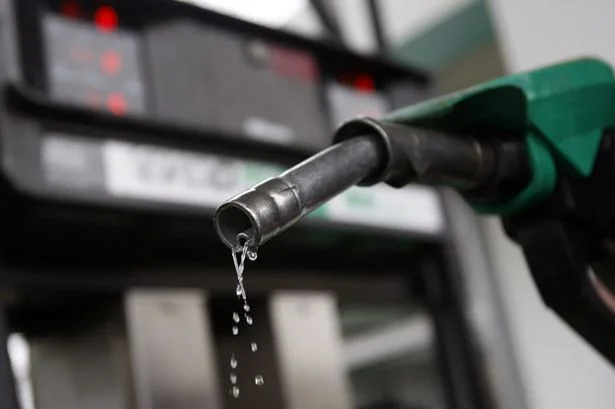
Petroleum prices in Ghana are set for a major upward adjustment starting March 16, 2026, marking one of the most significant price hikes in recent history. According to the Chamber of Oil Marketing Companies (COMAC), petrol prices are expected to rise by 16.93% to approximately GHC 14.32 per litre, while diesel will see an even steeper jump of 17.21% to GHC 16.10 per litre. Liquefied Petroleum Gas (LPG) is also scheduled for an 11.26% increase. This surge is primarily driven by rising global crude oil prices, fueled by intensifying geopolitical tensions in the Middle East and logistical disruptions in the critical Strait of Hormuz.
To manage this transition, the National Petroleum Authority (NPA) has established new minimum price floors for the second pricing window of March, effective from March 16 to March 31. Under these guidelines, the minimum floor for petrol has been raised to GH¢11.57 from GH¢10.46, and diesel has jumped to GH¢14.35 from GH¢11.42. LPG now carries a price floor of GH¢10.67 per kilogramme. The NPA has mandated that all Oil Marketing Companies (OMCs) and LPG Marketing Companies adhere to these thresholds. Crucially, these floors do not include international oil trading premiums or operational margins, leading analysts to warn that actual pump prices could soar as high as GH¢17 per litre once all levies and additional costs are factored in.
The policy of publishing price floors has met with sharp criticism from the Chamber of Petroleum Consumers (COPEC). Duncan Amoah, Executive Director of COPEC, has urged the NPA to cease the publication of these minimum thresholds, arguing that the practice inadvertently encourages price hikes and stifles healthy competition among OMCs by setting a high baseline. Amoah suggested that rather than relying heavily on private capital stocks which are subject to extreme market volatility, the government should strategically utilize national fuel reserves to stabilize domestic costs and shield consumers from the full impact of global market shocks.
As the new pricing window takes effect, the immediate outlook for Ghanaian consumers and businesses remains challenging. The sharp increase in fuel costs is expected to exert inflationary pressure across various sectors of the economy, particularly transportation and food distribution. Furthermore, the new NPA price floors are likely to limit the ability of OMCs to offer competitive discounts, which previously provided some relief to motorists. With global market trends remaining volatile due to international conflict, industry experts suggest that these adjustments represent one of the sharpest movements in recent pricing history, signaling a difficult period ahead for the nation’s energy consumers.
This story touches markets covered on Anansi Intelligence ↗.
More from business
Continue exploring similar stories

