••
Ghana Intensifies Health Advocacy as Regional Disease Outbreaks and Pediatric Health Challenges Rise
•3 min read•17 sources
Ghana’s healthcare leaders and advocacy groups are pushing for systemic reforms and increased public awareness to address a range of pressing health issues, from rising childhood kidney diseases to the dangers of tobacco use among the youth. Prof. Sampson Antwi, a Paediatric Nephrologist at the Kwame Nkrumah University of Science and Technology (KNUST), has issued a call for the government to strengthen healthcare infrastructure and foster international collaboration to combat kidney diseases in children. Prof. Antwi emphasized that many children in developing countries are currently denied life-saving therapies due to high costs and inadequate facilities. He urged for the establishment of more specialized treatment centers and encouraged parents to prioritize regular check-ups and healthy eating to mitigate risk factors like hypertension.
Simultaneously, the Ministry of Health has raised the alarm over the increasing use of flavored and electronic cigarettes among Ghanaian youth. Speaking on World No Tobacco Day, Health Minister Kwabena Mintah Akandoh revealed that while adult smoking has dropped to 2.2%, approximately 13.6% of youth now use shisha. The Minister warned that tobacco-related diseases claim 6,000 lives annually in Ghana and impose an economic burden of $600 million. In the realm of reproductive health, efforts are also being made to address social stigmas. The AIDS Healthcare Foundation (AHF) Ghana recently conducted menstrual hygiene outreach at the University of Ghana Staff Village School, while Fatimah Amoadu of the Obaapa Fatimah Amoadu Foundation called for the inclusion of boys in education campaigns to reduce teenage pregnancy rates in the Ekumfi District.
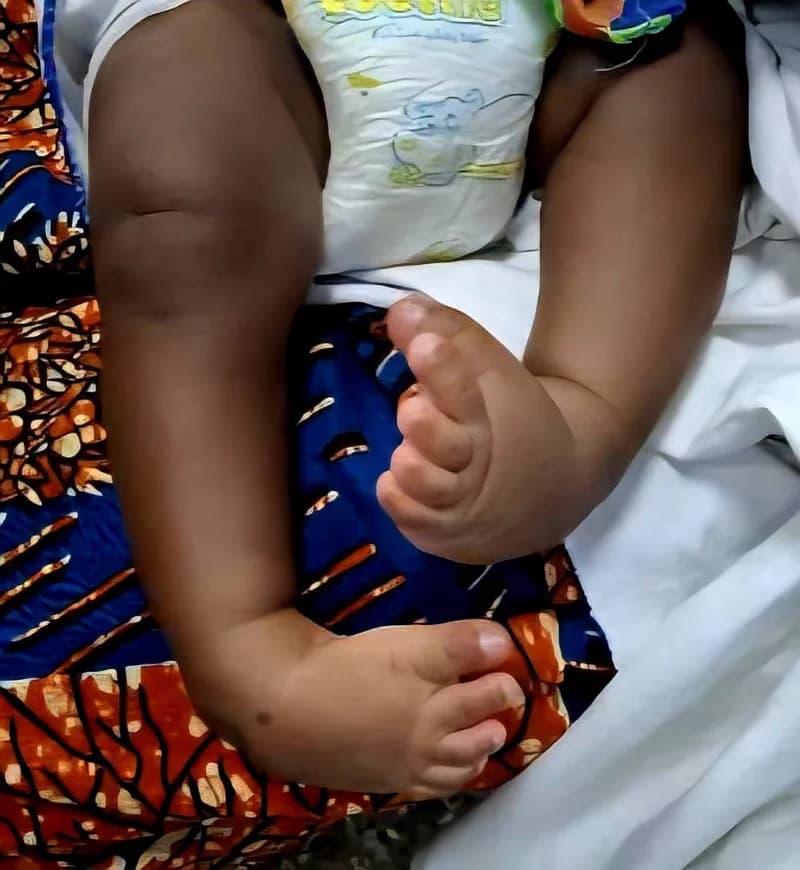
On the front of childhood disability and safety, health stakeholders are working to eliminate the stigma surrounding clubfoot, a treatable birth condition affecting about 1,000 infants in Ghana annually. The Ghana Clubfoot Programme highlighted that the Ponseti Method offers free, effective treatment for children under five, yet many families remain unaware of these services. Tragedies in the sector have also been reported, including a fatal school bus accident in Assin Edubiase where two children died after their vehicle plunged into a river. While 40 other students were successfully treated and discharged from St. Francis Xavier Hospital and the Assin Edubiase Health Centre, the incident underscores the ongoing need for emergency medical preparedness and child safety regulations.
Beyond Ghana’s borders, regional health crises continue to demand vigilance. In Nigeria’s Borno State, a severe cholera outbreak has seen 274 new suspected cases in a 24-hour window, bringing the total to over 4,200 infections and 39 confirmed deaths across seven local government areas. Meanwhile, the World Health Organization (WHO) has revised its data on the Ebola outbreak in Central Africa, confirming 330 cases across the Democratic Republic of Congo (DRC) and Uganda. The outbreak has led to significant international caution, including the cancellation of a high-profile friendly football match between the DRC and Chile in Spain. These regional developments highlight the volatile nature of infectious diseases and the necessity for robust public health surveillance and early reporting systems to prevent cross-border escalations.
This story touches markets covered on Anansi Intelligence ↗.
More from health
Continue exploring similar stories


