••
Ghana Asserts Leadership in Pan-African Diplomacy: From Historic Slavery Resolution to Climate and Cultural Integration
•3 min read•15 sources
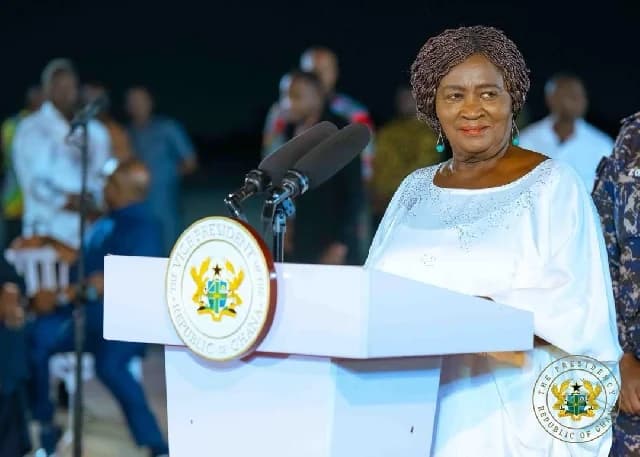
Ghana has once again positioned itself at the forefront of African and global affairs, marked by a series of high-profile diplomatic achievements and strategic hosting of continental summits. A cornerstone of this recent activity is the historic adoption of a United Nations resolution recognizing the transatlantic slave trade as a crime against humanity. Representing the African Union, President John Dramani Mahama championed this breakthrough, which seeks to restore dignity to African history and provide a framework for international justice. Upon his return to Accra, Vice President Professor Naana Jane Opoku-Agyemang hailed the resolution as a milestone for heritage recognition, while Mahama was further honored with the International Statesperson Award for his contributions to global diplomacy.
While celebrating this historical recognition, President Mahama and other leaders have emphasized that true freedom for the continent requires breaking modern economic chains. Mahama warned that Africa remains trapped in a cycle of exporting raw materials and importing finished products, essentially subsidizing foreign economies. The call for "economic sovereignty" urges African nations to prioritize local processing and support domestic entrepreneurs. This sentiment of self-reliance is echoed in the energy sector, as Vice President Opoku-Agyemang prepares to keynote the 2026 Africa Energy Technology Conference (AETC) in Accra this May. The conference will focus on leveraging technology for sustainable energy access and industrial growth, specifically highlighting the role of women and girls in the continent's energy transition.
Simultaneously, Accra is serving as the strategic hub for Africa's environmental future. The African Group of Negotiators (AGN) recently concluded a high-level meeting in the capital to solidify a unified position ahead of COP31 in Turkey and COP32 in Ethiopia. Led by Dr. Antwi-Boasiako Amoah and supported by Professor Nana Ama Browne Klutse, the group is demanding equitable climate finance and robust support for "loss and damage." Given Africa’s high vulnerability despite its low carbon footprint, the AGN is shifting toward a more proactive, coordinated strategy to ensure that global climate policies reflect the continent’s specific adaptation needs and developmental goals.
On the cultural and regional front, the Republic of Congo and Ghana have launched a "Creative Corridor" to bridge the gap between Francophone and Anglophone Africa. This partnership, led by filmmaker Claudia Yoka and Ghana’s National Film Authority, aims to replicate Ghana’s success in shaping the West African film industry within Central Africa through co-productions and mentorship. Amidst these collaborative efforts, the African Union (AU) has been active in stabilizing regional leadership, with Chairperson Mahmoud Ali Youssouf congratulating President Denis Sassou Nguesso on his re-election in Congo and welcoming Nabil Fahmy as the new Secretary-General of the League of Arab States to strengthen inter-bloc cooperation.
However, the continent’s institutional landscape faces significant challenges, particularly in sports administration. Veron Mosengo-Omba has resigned as the General Secretary of the Confederation of African Football (CAF) amid intense controversy. His departure follows the disputed decision to strip Senegal of the 2025 Africa Cup of Nations title and the postponement of several major tournaments. While Mosengo-Omba cited personal satisfaction with his tenure, CAF remains in a period of transition as it awaits a ruling from the Court of Arbitration for Sport regarding the AFCON final fallout between Senegal and Morocco. These developments, ranging from historic UN resolutions to shifting sports leadership, underscore a period of profound transformation across the African continent.
This story touches markets covered on Anansi Intelligence ↗.
Related topic
John Mahama: Latest News & Updates →More from africa
Continue exploring similar stories


