••
Ghana Bolsters Economic Resilience Through Strategic Mining Partnerships and Global Cocoa Leadership
•3 min read•22 sources
Ghana is charting a new course for its economic future by prioritizing sustainable practices, regulatory oversight, and strategic international partnerships across its vital mining and agricultural sectors. A central pillar of this effort is the announcement that Ghana will host the 2027 World Cocoa Foundation (WCF) Partnership Meeting in Accra from March 16 to 18. This landmark event, coinciding with the 80th anniversary of the Ghana Cocoa Board (COCOBOD), aims to advocate for fair financing and a more equitable pricing structure for cocoa-producing nations. COCOBOD Chief Executive Dr. Randy Abbey and WCF Country Director Mawuli Cofie have emphasized that the global community must share the financial burden of sustainable production, addressing critical challenges such as climate change, crop diseases, and the economic resilience of smallholder farmers.
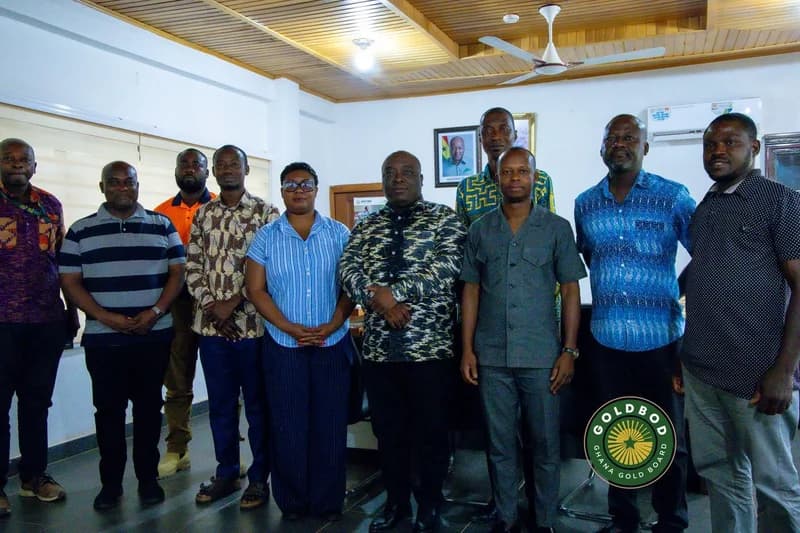
Parallel to these agricultural milestones, the mining sector is undergoing a significant transformation aimed at formalizing small-scale operations and revitalizing underperforming assets. In the Ashanti Region, communities in the Amansie Central and Adansi North Districts have pledged strong support for a geological survey initiative led by the Ghana Gold Board (GoldBod) and the Ghana Geological Survey Authority (GGSA). This program seeks to identify mineralized zones for responsible cooperative mining, with GoldBod committing to reinvest 30% of its surplus into the sector. Local leaders, including the Chief of Biribiwomanmu, have hailed the intervention as a transformative step toward job creation and technical empowerment, particularly after years of unsuccessful attempts to secure private sector support.
In the Western Region, the Sankofa Gold Mine is executing a major restructuring and expansion phase through a strategic partnership with the Guangzhou Hozdo Group. Managing Director Alhaji Ishaq Dauda announced a transition toward rock mining to enhance operational stability and output. Notably, the mine has maintained labor stability by continuing to pay workers during production halts, a move praised by Western Regional Minister Joseph Nelson. This shift toward large-scale, stable extraction methods is part of a broader national trend to ensure that mining activities provide inclusive development and long-term economic benefits to local communities rather than just immediate extraction gains.
Further bolstering Ghana’s primary sectors, the Ghana Private Sector Competitiveness Programme Phase II (GPSCP II), supported by the Swiss State Secretariat for Economic Affairs, has committed to strengthening the Tree Crops Development Authority (TCDA). This collaboration focuses on enhancing regulation and staff capacity to attract investment into the tree crop sector beyond cocoa. Simultaneously, the Ghana Youth Agriculture Summit 2026 has called for increased innovation and entrepreneurship among young Ghanaians to secure the industry's future. Together, these multifaceted initiatives in mining and agriculture reflect a coordinated government vision to move from informal and underperforming operations toward a modernized, sustainable, and investment-ready economy.
This story touches markets covered on Anansi Intelligence ↗.
Live rates
Ghana gold price →More from business
Continue exploring similar stories

