••
Ghana to Re-enter Long-Term Bond Market as Experts Urge Leveraging Gold Windfall for Economic Stability
•3 min read•18 sources
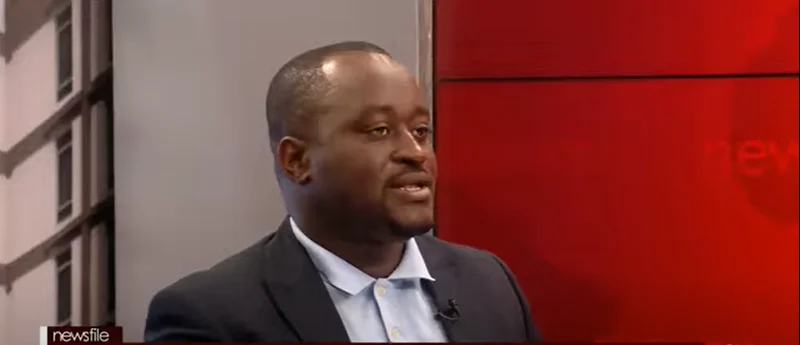
The Government of Ghana is set to resume the issuance of long-dated domestic bonds following the expiration of restrictions imposed under the 2023 Domestic Debt Exchange Programme (DDEP). Deputy Minister of Finance, Thomas Nyarko Ampem, announced that these new issuances, which could begin as early as March 2026, are designed to raise long-term capital for national initiatives and the national budget. This move marks a strategic shift to improve the maturity profile of Ghana’s public debt, reduce the current heavy reliance on short-term Treasury bills, and ease immediate refinancing pressures. The government expects these bonds to attract significant interest from pension funds, long-term institutional investors, and potentially offshore participants, signaling a return to a more normalized domestic credit market.
While the government prepares its return to the bond market, economists and policy advisors are calling for a simultaneous focus on strengthening the nation's external buffers through its natural resources. Dr. Theo Acheampong, a Technical Advisor at the Ministry of Finance and political risk specialist, has emphasized that Ghana must capitalize on historically high gold prices to build an economic “war chest.” Highlighting a significant positive correlation of 0.64 between gold performance and Ghana’s gross international reserves, Dr. Acheampong argued that the current gold windfall presents a unique two-to-three-year window to accumulate reserves. These reserves are viewed not as an end in themselves, but as essential tools to stabilize the Cedi, mitigate inflationary pressures, and foster a more predictable environment for job creation.
Complementing these fiscal and monetary strategies, the Minerals Commission of Ghana is moving to consolidate the country’s position as Africa’s leading gold producer by enhancing local industry participation. Isaac Andrew Tandoh, Chief Executive of the Minerals Commission, has proposed the establishment of Africa’s largest convergent centre for mineral dialogue. Speaking at the Local Content Summit, Tandoh stressed the need for a paradigm shift where Ghanaian companies move beyond providing basic mining supplies to owning significant segments of the industry. The Commission is currently scouting a venue for a major annual summit intended to bring together thousands of global stakeholders to discuss better management of mineral resources and infrastructure development.
Together, these developments represent a multi-pronged approach to Ghana’s post-DDEP economic recovery. By combining the restructuring of domestic debt through long-term bonds, the strategic accumulation of gold-backed reserves, and the promotion of local ownership in the mining sector, the government and its advisors aim to create a more resilient macroeconomic framework. As the country looks toward 2026, the success of these initiatives will depend on maintaining the fiscal discipline reaffirmed by Deputy Minister Ampem and ensuring that mineral-driven growth translates into sustainable infrastructure and long-term economic stability for all Ghanaians.
This story touches markets covered on Anansi Intelligence ↗.
Live rates
Ghana gold price →More from business
Continue exploring similar stories

