••
Ghana Business Update: Investor Protection Pleas, Counterfeit Currency Sentencing, and Ethical Probes
•3 min read•6 sources
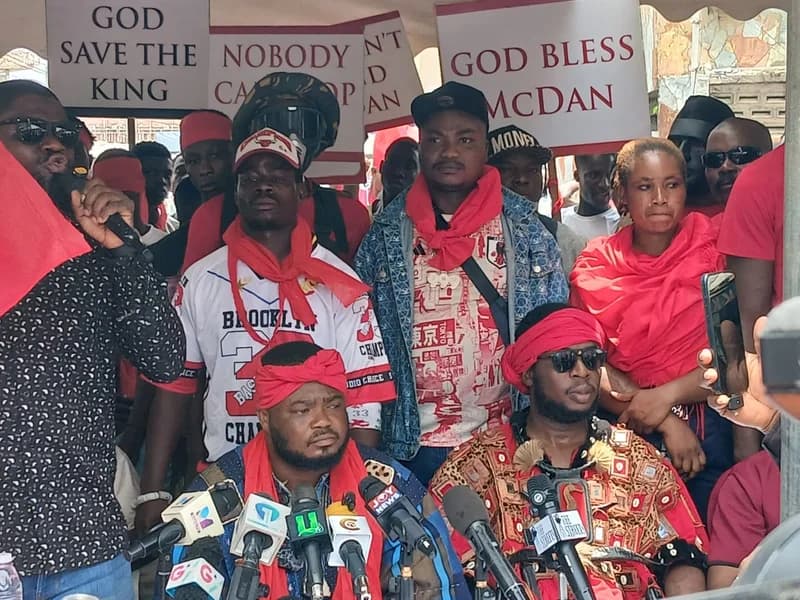
The Ghanaian business landscape is currently navigating a complex period marked by calls for indigenous investor protection, significant legal crackdowns on financial malpractice, and heightened scrutiny over corporate debt-recovery ethics. At the forefront is a growing demand from the Coalition of GaDangme Pressure Groups for national authorities to safeguard local investors. This plea stems from a high-profile dispute between McDan Aviation Handling Services and the Ghana Airports Company Limited (GACL) following the termination of a Fixed Base Operation agreement. While GACL cites non-payment of fees as the grounds for termination, McDan Aviation has contested these claims, prompting concerns about the stability of the investment environment and the potential impact on job creation.
Nii Adu Ardey, representing the coalition, emphasized that such disputes could severely undermine investor confidence and fairness within the country. He highlighted McDan's role in transforming underutilized infrastructure into a modern private jet facility, which has significantly boosted international aviation traffic in Ghana. The coalition argues that if prominent local entrepreneurs feel insecure about their investments, it could deter future indigenous enterprise development and hinder national economic growth. They have urged the government to intervene and ensure due process is followed, fostering a more supportive climate for local businesses to thrive alongside state institutions.
Simultaneously, the judiciary has taken a firm stance against financial crimes that threaten corporate and national economic integrity. An Accra Circuit Court recently sentenced Shubham Sharma, an Indian national and former manager, to five years in prison for possessing a massive cache of counterfeit currency. Sharma was found guilty of swapping legitimate funds from his employer's safe with forged notes, totaling GH¢1,976,000 in GH¢200 bills and US$191,900 in US$100 bills. The court ordered his deportation after he completes his concurrent sentences, signaling a zero-tolerance policy toward employees who exploit their positions for fraudulent activities involving counterfeit tenders.
In the micro-finance sector, ethical standards are also under the spotlight following a viral incident involving Bills Micro-Credit Limited. The company has launched an investigation into an altercation between its field officers and a woman carrying a baby, which reportedly occurred during an attempt to recover a defaulted GH¢300 loan. Management described the behavior of the officers as regrettable and inconsistent with their professional and ethical standards. This incident has sparked broader discussions regarding the methods used by micro-credit institutions to manage loan defaults and the necessity of maintaining dignity and ethics in customer interactions even during recovery processes.
Together, these developments underscore a pivotal moment for Ghana's commercial sector, where the balance between regulatory enforcement, ethical operations, and the protection of local investment remains critical. Whether resolving contractual disputes in the aviation industry or addressing misconduct in corporate management and debt recovery, the outcomes will likely shape the future of business confidence in the region. Moving forward, stakeholders are looking toward government and regulatory bodies to provide the clarity and security needed to sustain a robust, fair, and ethical economic environment for all participants.
This story touches markets covered on Anansi Intelligence ↗.
More from business
Continue exploring similar stories

