••
Ghanaian Business Outlook: Industrial Sustainability, Creative Investment, and Evolving Consumer Dynamics
•3 min read•11 sources
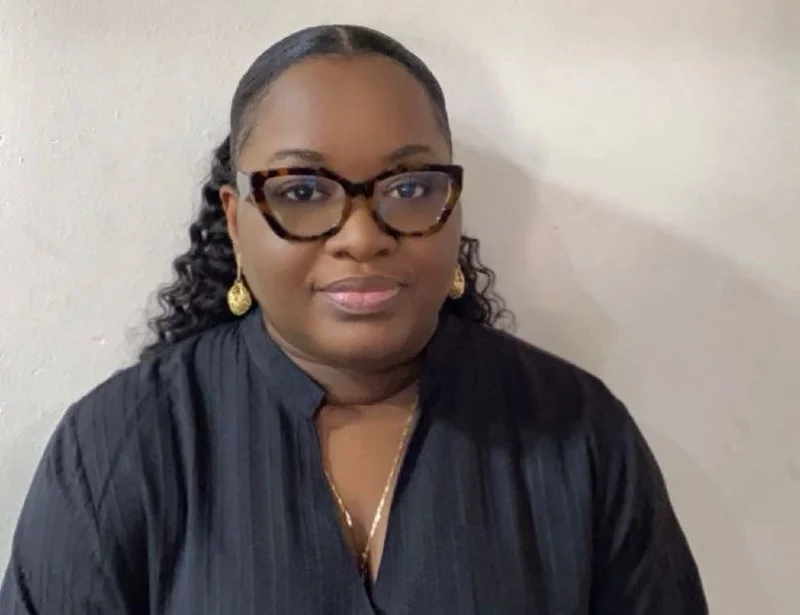
The landscape of Ghanaian industry and investment is undergoing a significant transformation, marked by a dual focus on sustainability and sectoral expansion. The Minerals Income Investment Fund (MIIF), led by CEO Justina Nelson, recently strengthened ties with Newmont Corporation’s Ahafo North Mine, highlighting the mine's critical role in national revenue through consistent royalty payments and community development. This push for transparency and long-term viability is mirrored in the insurance sector, where Dr. Kwabena Situ of Deloitte Ghana has urged firms to immediately adopt International Financial Reporting Standards (IFRS) for sustainability. Emphasizing the importance of Environmental, Social, and Governance (ESG) reporting, Deloitte warns that neglecting these standards could negatively impact underwriting operations and stakeholder trust in an increasingly regulated global market.
Simultaneously, initiatives to bolster the creative and tourism sectors are gaining momentum. Fidelity Bank Ghana, in partnership with ALX Ghana, launched the second cohort of the Orange Inspire programme, offering mentorship and a GH¢600,000 funding pool to help young creatives scale their ventures. In the tourism domain, the Ghana Tourism Authority reported that domestic travel—largely driven by funeral-related visits—generated approximately GH¢6.59 billion in 2023. To capitalize on this, industry stakeholders are advocating for a dedicated Tourism Press Corps to enhance national storytelling, while the "Experience Ghana" digital campaign seeks to decentralize tourism activities beyond the southern regions, promoting a more balanced economic impact across the country.
However, the path to growth remains fraught with operational and personal challenges for many business leaders. Yang Yang, CEO of Zonda Tec Ghana Ltd, recently highlighted the grueling demands on female entrepreneurs, detailing 17-hour workdays that leave little room for life balance. On the infrastructure front, the Electricity Company of Ghana (ECG) has scheduled maintenance power outages in parts of Accra and the Ashanti Region to improve grid stability, a necessary but disruptive reality for local enterprises. Amidst these pressures, a new wave of consumer confidence is emerging; Dr. Genevieve Sedalo notes that Ghanaian financial customers are increasingly vocal, utilizing social media to demand accountability and better service quality from providers.
On the global stage, broader market and legal trends are shaping consumer expectations that could eventually influence Ghanaian business practices. From FIFA President Gianni Infantino defending high ticket prices for the 2026 World Cup as a reflection of unprecedented market demand, to a landmark legal ruling in Greece where a German tourist won a payout over poorly managed amenities, the international trend is moving toward stricter service delivery standards. For Ghana, these domestic and international shifts underscore a critical juncture: businesses must balance rigorous operational demands with the need for better sustainability reporting and heightened responsiveness to an empowered, informed customer base.
This story touches markets covered on Anansi Intelligence ↗.
More from business
Continue exploring similar stories

