••
Ghana Strengthens Fiscal Framework Amid Post-IMF Transition and Record Financial Growth
•2 min read•6 sources
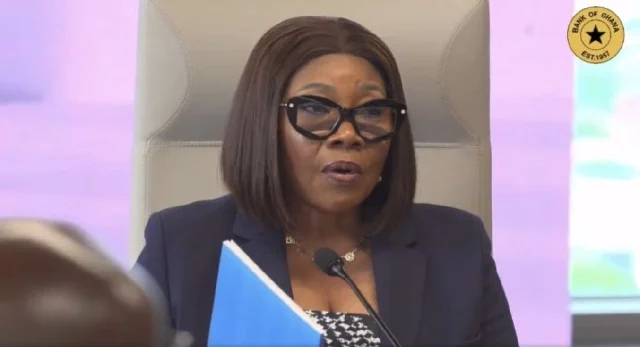
Ghana has officially concluded its financial bailout program with the International Monetary Fund (IMF), transitioning to a 36-month Policy Coordination Instrument (PCI). This non-financing arrangement marks a shift toward technical assistance and policy dialogue intended to catalyze investment rather than provide direct funding. The transition comes on the heels of a significant macroeconomic recovery; by 2025, the financial sector's total assets reached a milestone of GH¢647.25 billion, accounting for 45.1% of GDP. This resurgence is supported by a real GDP growth rate of 6% and a dramatic reduction in inflation, which fell from a peak of 31.7% in 2022 to single digits by 2025.
To safeguard these economic gains and prevent a return to fiscal mismanagement, Finance Minister Dr. Cassiel Ato Forson has introduced the "Office for Value for Money." Following presidential assent, this new office is tasked with cracking down on inflated public contracts and wasteful procurement processes. Dr. Forson warned that the end of the IMF Extended Credit Facility (ECF) necessitates heightened discipline to avoid a cycle of bailouts. He emphasized that rigorous fiscal management is the only way to ensure the long-term stability required to attract private capital and maintain improved sovereign credit ratings.
Despite these positive fiscal indicators, structural challenges persist within the broader economy. Ghana recorded a massive trade surplus of US$13.6 billion in 2025, largely driven by gold and other raw commodity exports. However, experts from the World Bank and the African Center for Economic Transformation (ACET) note that this boom has failed to create substantial employment. The government aims to remedy this "jobless growth" by shifting toward an industrialized export model, with targets to process at least 50% of the nation's cocoa domestically and enhance digital service exports to generate formal jobs.
Looking ahead, financial analysts remain cautious about the potential for renewed spending pressure without direct IMF oversight. Joe Jackson, CEO of Dalex Finance, warned that the shift to a non-financing PCI might weaken the constraints on government expenditure, potentially impacting investor confidence. While the financial sector has demonstrated resilience against sovereign debt pressures and cybersecurity threats, the consensus among experts is that Ghana's continued success depends on its ability to resist election-cycle spending and diversify its export base to benefit a wider segment of the population.
This story touches markets covered on Anansi Intelligence ↗.
Live rates
Ghana gold price →More from business
Continue exploring similar stories

