••
Ghana’s Economy Hits Crucial Milestone as IMF Begins Final Review Amidst Banking Profit Surge
•3 min read•25 sources
Ghana’s economic landscape is approaching a definitive turning point as an International Monetary Fund (IMF) staff mission arrives in Accra on April 29, 2026. This visit marks the sixth and final review of the country’s Extended Credit Facility (ECF) program, which is scheduled to conclude in August 2026. The mission will evaluate Ghana’s fiscal performance, energy sector reforms, and debt management strategies. The IMF currently maintains a growth projection of 4.8% for Ghana in 2026, with inflation expected to drop significantly to 7.9%. Concurrently, the Bank of Ghana (BoG) is prepared to release its 2025 financial statements on April 30, following a one-month extension. While the central bank expects another operating loss due to the lingering effects of the Domestic Debt Exchange Programme (DDEP), the deficit is projected to be lower than the GH"9.49 billion loss recorded in 2024.
Despite the central bank's operational challenges, Ghana’s commercial banking sector is demonstrating remarkable resilience and growth. GCB Bank PLC, the nation's largest indigenous lender, reported a stellar 71% increase in profit before tax for the first quarter of 2026, reaching GH"902.5 million. Similarly, the Agricultural Development Bank (ADB) saw a 47% rise in quarterly profits, driven by a 23.8% growth in customer deposits. This period of profitability is accompanied by a significant regulatory shift as the BoG implements guidelines for non-interest banking. At least five local lenders are currently seeking licenses for Sharia-compliant finance, a move expected to alleviate credit constraints for SMEs and attract the unbanked population through profit-sharing and asset-backed models.
The domestic investment landscape presents a tale of two markets. The Ghana Stock Exchange (GSE) is experiencing a historic surge, with its total market capitalization hitting GH"278.98 billion in late April 2026, driven by strong performances in the finance and telecommunications sectors. Conversely, the government’s short-term borrowing efforts face persistent hurdles, as the Treasury bill auction recorded its seventh consecutive week of undersubscription. Investors continue to show a marked preference for short-term 91-day instruments over long-term debt, reflecting a cautious stance on domestic liquidity. However, the Ghana Union of Traders Association (GUTA) has offered a positive outlook on the currency, noting that the cedi’s relative stability at approximately GH"11.0 to the US dollar has allowed importers to plan more effectively and reduce costs.
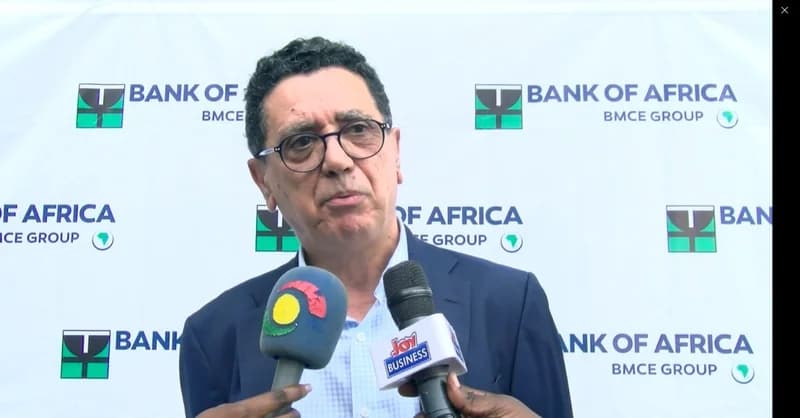
International confidence in the Ghanaian market remains robust, evidenced by high-level working visits from global financial leaders. Absa Group CEO Kenny Fihla recently concluded an engagement tour in Ghana, reaffirming the bank’s commitment to regional growth and sustainable financial inclusion. Similarly, the Bank of Africa has announced plans to scale up financing and advisory services for small and medium-sized enterprises (SMEs) to drive job creation. As Ghana prepares to exit the IMF-supported program, the focus shifts toward maintaining post-program fiscal discipline. The convergence of banking sector profitability, capital market growth, and new regulatory frameworks for non-interest banking suggests a diversifying economy, provided the government can bridge the financing gap in the domestic bond market.
This story touches markets covered on Anansi Intelligence ↗.
Live rates
Dollar to cedi rate →More from business
Continue exploring similar stories

