••
Ghana's Business Landscape Soars: GSE Hits Historic GH¢292bn Cap as COCOBOD Disburses GH¢4.2bn to Farmers
•3 min read•52 sources
Ghana's economic landscape has reached a historic milestone as the Ghana Stock Exchange (GSE) capped a record-breaking week, with market capitalization surging to GH¢292.58 billion and the GSE Composite Index rising to 15,611.32. This surge in investor confidence is mirrored by significant activity in the agricultural and industrial sectors, most notably the Ghana Cocoa Board's (COCOBOD) disbursement of GH¢4.2 billion to Licensed Buying Companies. This massive injection of liquidity is aimed at clearing pending payments to cocoa farmers and restoring trust within the cocoa industry. Simultaneously, the Ashanti Region has emerged as a major investment hub, attracting approximately $3.4 billion in foreign direct investment from 410 projects, underscoring the growing international interest in Ghana's regional economic potential.
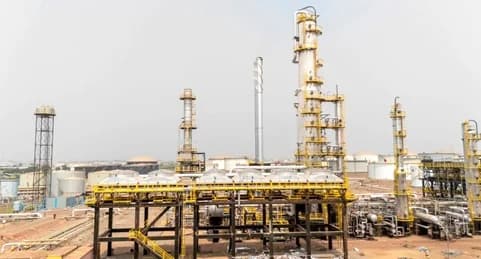
In the energy and extractive sectors, the Tema Oil Refinery (TOR) has reaffirmed its technical capacity to refine crude oil from Ghana’s local Jubilee and TEN fields, with plans to expand capacity to 45,000 barrels per stream day. This development coincides with the Ghana Extractive Industries Transparency Initiative (GHEITI) clarifying the new mineral royalty regime, which links rates to gold prices to ensure fair revenue sharing. On the mining front, Asanko Gold Mine has reiterated its commitment to responsible practices, employing a 99.8% Ghanaian workforce, while Engineers and Planners (E&P) are reportedly positioning for the operation of the Damang Mine. To bolster local manufacturing, the government has also secured $6 million toward the rehabilitation of the Ghana Cylinder Manufacturing Company, aiming to phase out imported LPG cylinders.
Empowerment and digital transformation are driving the next wave of growth for Small and Medium Enterprises (SMEs). Stanbic Bank Ghana, the IFC, and Mastercard have partnered to provide $600,000 in tailored financing for female-owned SMEs, while Telecel Ghana CEO Patricia Obo-Nai and RNAQ Foundation founder Richard Nii Armah Quaye have called for increased collaboration and 'purposeful giving' to strengthen the entrepreneurial ecosystem. In the logistics sector, the government launched the Integrated Courier and Logistics Management System (iCOLMS-GH) to streamline licensing and enhance consumer protection. This move toward digital regulation is paired with new safety initiatives, such as the Ghana Standards Authority’s push for 'cleaner cement' innovation in collaboration with German partners to reduce the carbon footprint of the construction industry.
Despite these gains, the business community faces several regulatory and legal challenges. The Saudi Food and Drug Authority recently implemented a ban on poultry imports from Ghana due to avian influenza concerns, prompting calls from the Chamber of Agribusiness Ghana for improved safety frameworks. Domestically, Ghana Water Limited has intensified enforcement against illegal connections in Tema, and the legal system has held corporations accountable, notably with the Court of Appeal upholding a GH¢1 million judgment against Marwako Fast Food for a 2022 food poisoning incident. As Ghana moves forward, the focus remains on balancing industrial expansion with sustainability, ensuring that robust stock market performance translates into resilient, locally-driven growth across all sectors.
This story touches markets covered on Anansi Intelligence ↗.
Live rates
Ghana gold price →More from business
Continue exploring similar stories

