••
Ghana’s Democratic Resilience and Governance Reforms: Strengthening Accountability from Local Assemblies to National Payrolls
•3 min read•48 sources
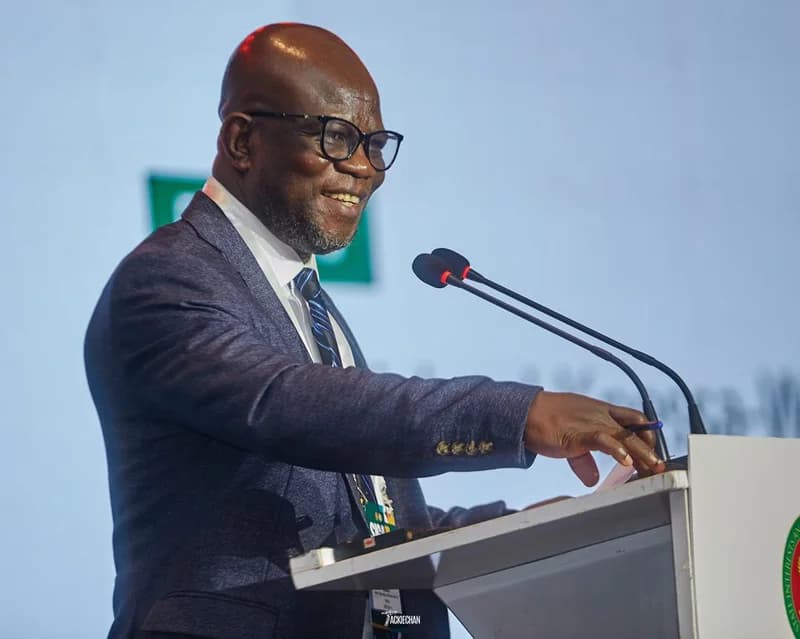
Ghana continues to reinforce its reputation as a beacon of democratic stability in Africa, a sentiment echoed by renowned Pan-Africanist Prof. Patrick Lumumba, who recently described the nation as a "political Mecca" for its peaceful transitions of power. This democratic maturity is being tested and strengthened through significant governance reforms and a renewed focus on transparency. A major milestone in public financial management was recently achieved with the removal of over 67,000 'ghost' names from the public sector payroll, a move Deputy Finance Minister Thomas Nyarko Ampem says will save the state substantial resources. Simultaneously, the Ghana Revenue Authority (GRA) has launched a nationwide campaign to boost tax compliance, emphasizing that high levels of civic contribution are pivotal for the country’s economic transformation and social cohesion.
On the political front, the National Democratic Congress (NDC), led by Chairman Johnson Asiedu Nketiah, has reiterated its commitment to completing all abandoned infrastructure projects to ensure public funds are not wasted. Amidst these promises, the party is also celebrating the legacy of prominent figures like Dr. Samuel Julius Debrah, whose 60th birthday served as a reflection on a career dedicated to local governance and institutional transformation. However, political dynamics remain complex; the New Patriotic Party (NPP) is currently managing internal tensions in Tarkwa-Nsuaem following disputes over the formation of polling station election committees. Meanwhile, Dr. Zanetor Agyeman-Rawlings has urged the youth to take an active role in fighting digital misinformation, highlighting the "real consequences" that fake news can have on national stability and mental health.
Labour and employment practices are also under the spotlight as the University of Professional Studies, Accra (UPSA) recently hosted a high-level lecture advocating for "decent work" and merit-based advancement. Keynote speaker Dr. Esther Ofei-Aboagye emphasized that fair employer-employee relationships and workplace safety are fundamental to national development. This movement is bolstered by the International Labour Organization’s (ILO) pledge to support Ghana’s 2026–2030 Decent Work Country Programme, which focuses on sustainable job creation and social protection. In the energy sector, the Parliamentary Select Committee on Energy has intensified its oversight, recently touring the Accra Plains Depot of BOSTEnergies to ensure transparency and operational efficiency in the country’s fuel supply chain.
Local governance and traditional authority are witnessing their own set of reforms and challenges. A study by CDD-Ghana revealed that 76% of citizens support the election of Metropolitan, Municipal, and District Chief Executives (MMDCEs) to enhance local accountability. While districts like Afigya Kwabre South are moving forward with plans to rehabilitate road networks and address traffic congestion, traditional authorities are taking firm stands on internal security. The Akyem Abuakwa State Council has declared the Etweresohene persona non grata due to alleged secessionist conduct, underscoring the role of traditional leaders in maintaining public peace. As the Office of the Special Prosecutor navigates legal hurdles regarding its authority, the broader narrative in Ghana remains one of active citizen engagement and a drive toward a more accountable and equitable governance system.
This story touches markets covered on Anansi Intelligence ↗.
Related topic
Ghana Customs Recruitment: Latest News & Updates →More from politics
Continue exploring similar stories


