••
Ghana Navigates Global Conflict Risks: Gold Board Explores Alternative Export Routes Amid Middle East Tensions
•2 min read•9 sources
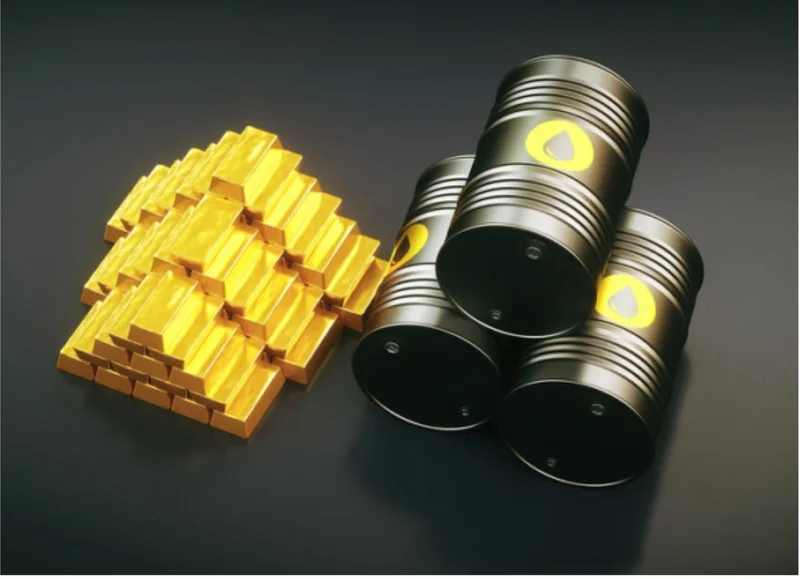
Ongoing global conflicts, particularly the escalating tensions in the Middle East involving Israel, the U.S., and Iran, are posing significant risks to Ghana’s primary export sectors. Economic experts and state agencies have warned that the country's reliance on international logistics hubs could lead to a decline in foreign exchange inflows and put undue pressure on the cedi. While Ghana does not maintain high levels of direct trade with the primary nations in conflict, the regional instability threatens the critical transit and refining routes that facilitate the sale of Ghanaian gold, oil, cocoa, and timber to the global market.
A primary concern centers on the gold sector, where approximately 80% of Ghana’s artisanal gold is traditionally flown to Dubai in the United Arab Emirates for refining. With flight disruptions becoming increasingly likely due to the conflict, the Ghana Gold Board (GoldBod) has begun proactively exploring alternative refining hubs in Shanghai and India. Although these new routes may involve higher costs, GoldBod officials emphasize that market demand for Ghanaian gold remains robust, with many international buyers prepared to pay premiums for the commodity despite the logistical challenges.
Beyond gold, the broader economic landscape faces uncertainty as global demand for other key exports like cocoa and timber could dwindle if the conflict expands. Peter Bismark Kwofie, Executive Director of the Institute of Liberty and Policy Innovation (ILAPI), has called for enhanced fiscal discipline and suggested that the government consider extending its current International Monetary Fund (IMF) program for an additional year to provide an economic buffer. He argued that the current volatility underscores a desperate need for Ghana to pivot toward industrialization and local manufacturing to reduce its dependence on imports and external shocks.
To mitigate these risks, industry analysts and policy advocates are urging the government to maintain a neutral diplomatic stance and implement emergency measures to ensure oil supply stability. As the geopolitical situation evolves, the focus remains on building economic resilience through strategic planning. Experts suggest that by diversifying export destinations and strengthening local processing capabilities, Ghana can better protect its economy from the ripple effects of global warfare and maintain its growth trajectory in an increasingly unstable international environment.
This story touches markets covered on Anansi Intelligence ↗.
Live rates
Ghana gold price →More from business
Continue exploring similar stories

