••
Ghana’s Fuel Supply Stabilizes Amid Technical Friction and Allegations of Artificial Shortages
•3 min read•13 sources
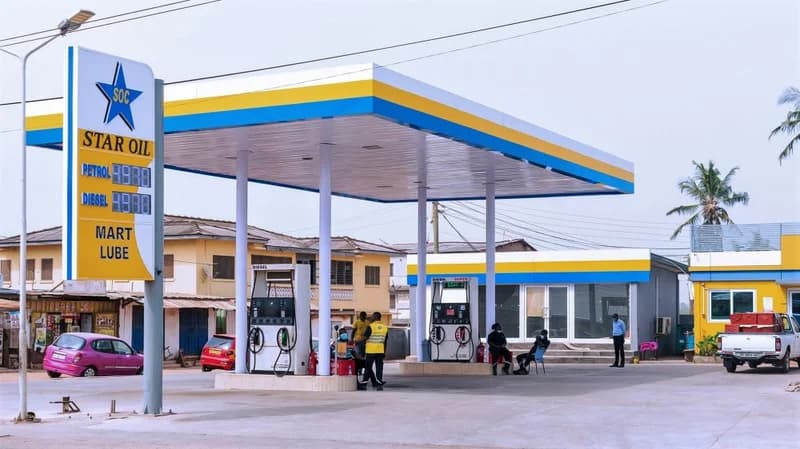
Ghana’s petroleum downstream sector is currently navigating a complex period of supply volatility and inter-agency friction. Major Oil Marketing Companies (OMCs), including GOIL PLC and Star Oil, have announced a resumption of fuel loading operations at Tema Port following a series of disruptions that left several service stations empty. While these companies have assured the public that restocking is underway and supply trucks are being dispatched, the cause of the temporary shortage has become a point of intense contention between technology providers and petroleum distributors. The Ministry of Energy has stepped in to calm public anxiety, asserting that the country maintains a five-to-six-week buffer of petroleum stocks, with further shipments expected shortly.
A heated debate has emerged regarding the technical failures that allegedly hindered fuel distribution. Star Oil and other stakeholders initially attributed the disruptions to downtime in the Integrated Customs Management System (ICUMS) starting March 6. However, Ghana Link Network Services Ltd., the operator of ICUMS, has flatly denied these claims, describing them as "false, misleading, and wholly without basis." Ghana Link maintains that its platform remained fully operational and has demanded a public apology from Star Oil. Instead, industry experts and the Chamber of Oil Marketing Companies (COMAC) have pointed toward challenges within the National Petroleum Authority’s (NPA) Enterprise Relational Database Management System as the more likely culprit for the loading delays.
Beyond technical glitches, the sector is grappling with allegations of market manipulation. Some OMCs have accused Bulk Distribution Companies (BDCs) of creating "artificial shortages" by hoarding products in anticipation of a significant price hike scheduled for March 16, 2026. Dr. Riverson Oppong, CEO of COMAC, criticized these premature price adjustments, noting that current stocks were imported before recent global geopolitical tensions and should be sold under existing pricing windows. The National Petroleum Authority has signaled that the upcoming price window could see one of the largest increases in recent history, prompting calls for the government to review existing levies to cushion the impact on Ghanaian consumers.
In the long term, the crisis has renewed calls for Ghana to enhance its domestic refining capacity to ensure energy security. The Tema Oil Refinery (TOR) is currently working to increase its daily output from 28,000 to 45,000 barrels; however, the facility remains unable to process Ghana’s own Jubilee crude due to the lack of a diesel hydro unit and an isomerisation unit. Consequently, Ghana continues to export its premium crude while refining imported oil. Officials from the Petroleum Hub Development Corporation argue that fast-tracking the national Petroleum Hub project is essential to reducing reliance on foreign oil and protecting the domestic economy from the recurring cycle of supply disruptions and international price shocks.
This story touches markets covered on Anansi Intelligence ↗.
More from business
Continue exploring similar stories

