••
Middle East Crisis Threatens Ghana’s Economy: Fuel Prices May Hit GH¢17 as Gold Exports and Cedi Face Mounting Pressure
•3 min read•30 sources
The escalating geopolitical conflict in the Middle East, involving Israel, Iran, and the United States, has triggered a wave of economic uncertainty that poses a direct threat to Ghana’s fiscal stability. With global crude oil prices surging above $110 per barrel and analysts warning of a potential spike to $150, the International Monetary Fund (IMF) and G7 nations have raised alarms over disruptions to trade routes and energy supplies. For Ghana, a country heavily reliant on imported petroleum products, the crisis is manifesting in projections of sharp price increases at the pumps. Dr. Riverson Oppong, CEO of the Chamber of Oil Marketing Companies (COMAC), warned that if crude prices remain between $110 and $120, domestic fuel prices could reach as high as GH¢17 per litre, driving up transportation costs and general inflation.
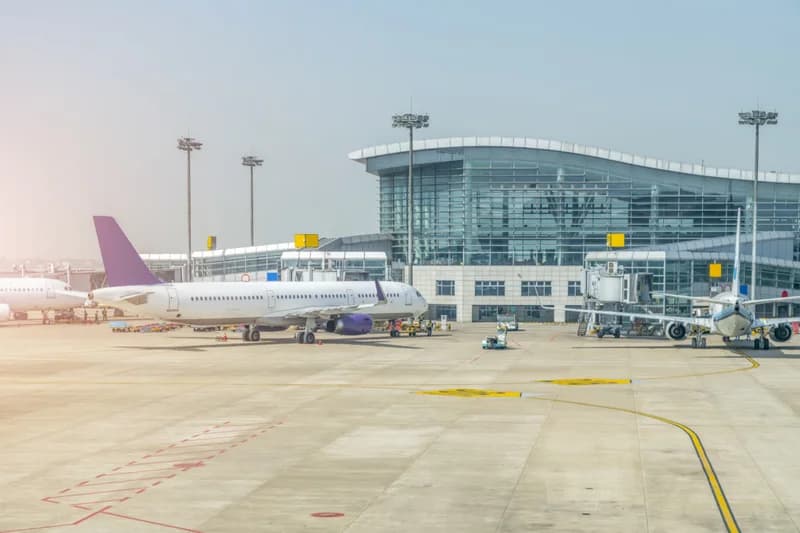
Beyond fuel prices, the conflict has exposed a critical vulnerability in Ghana’s export sector, particularly regarding its reliance on Dubai for gold trade. Over 72% of Ghana’s small-scale gold—amounting to more than 103,804 kg in 2025—is exported to Dubai. However, recent disruptions in air traffic and Middle Eastern airspace closures have hampered these shipments, threatening the vital inflow of foreign currency needed to stabilize the cedi. The Ghana Union of Traders’ Associations (GUTA) has echoed these concerns, noting that retaliatory attacks and supply chain bottlenecks are overwhelming businesses. GUTA President Clement Boateng has urged the government to maintain adequate fuel reserves and advised traders to avoid conflict zones to mitigate further losses.
While the situation presents significant risks, some experts suggest a nuanced economic outlook for Ghana as a crude oil exporter. Economist Dr. Adu Owusu Sarkodie noted that rising international oil prices could result in a revenue windfall for the state, provided production levels remain stable. However, he cautioned that this benefit is undermined by Ghana’s 'import addiction,' particularly for essential goods like fertilizers and refined fuel. Dr. Sarkodie has urged the government to utilize any additional oil revenue to provide targeted support for vulnerable groups, such as fuel coupons for commercial transport operators, to prevent a domestic cost-of-living crisis. Similarly, economist Dr. Theo Acheampong emphasized that while Ghana is better prepared for shocks than during previous crises, policy clarity and local production remain essential for long-term resilience.
As global markets remain volatile, the international community continues to weigh emergency measures, including the potential release of strategic oil reserves by G7 nations and the International Energy Agency (IEA). For Ghana, the path forward requires a strategic rethinking of its trade dependencies. Moving beyond a reliance on a few markets for gold and boosting domestic industrial and agricultural production are seen as critical steps to insulating the economy from future geopolitical shocks. For now, policymakers are being urged to monitor global developments closely, as the duration and scale of the Middle East conflict will ultimately dictate the severity of the economic fallout for the Ghanaian consumer.
This story touches markets covered on Anansi Intelligence ↗.
Related topic
Sarkodie: Latest News & Updates →Live rates
Ghana gold price →More from business
Continue exploring similar stories

