••
Ghana’s Petroleum Sector Faces Imminent Price Hikes Amid Policy Debates and Improved Corporate Governance
•2 min read•8 sources
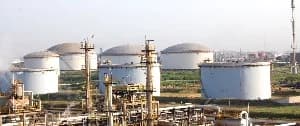
Ghanaian consumers are bracing for another significant increase in fuel costs as petrol and diesel prices are projected to rise by 15% starting April 1, 2026. This forecast comes at a critical time when the nation’s downstream petroleum sector is already grappling with the fallout from previous price spikes and an ongoing debate over regulatory price floors. While the market faces external pressures from global oil trends, there are signs of internal improvement in corporate governance, highlighted by the recent high performance of the Tema Oil Refinery (TOR) in national financial management rankings.
According to the Centre for Environmental Management and Sustainable Energy (CEMSE), the anticipated 15% hike is driven by a combination of rising international crude oil prices and a slight depreciation of the Ghanaian cedi against the US dollar. Benjamin Nsiah, Executive Director of CEMSE, noted that this follows a particularly volatile period where petrol and diesel prices recently surged by approximately 26% and 27%, respectively. The ripple effects of these increases are expected to hit urban centers the hardest, driving up transportation expenses and inflating the general cost of living for businesses and households alike.
Parallel to these price fluctuations is an intensifying debate regarding the National Petroleum Authority’s (NPA) petroleum price floor policy. While the NPA intended the policy to stabilize the market and protect smaller indigenous oil companies from being squeezed out, critics argue that the move contradicts Ghana’s deregulation principles. Experts suggest that by imposing a minimum price, the policy may be protecting inefficient firms and preventing consumers from benefiting from competitive market rates. Instead of rigid price controls, policy analysts recommend strengthening competition laws to foster a more transparent and efficient market that aligns with global standards.
Amidst these economic challenges, the Tema Oil Refinery (TOR) has provided a silver lining by demonstrating improved institutional accountability. On March 19, 2026, the Ministry of Finance released its Public Financial Management (PFM) Compliance League Table, ranking TOR as the second-best institution in the country for fiscal discipline. Outperformed only by the Environmental Protection Agency (EPA), TOR’s high ranking reflects a commitment to sound financial practices and transparency. As Ghana navigates the complexities of global oil volatility and domestic policy reforms, the sector's long-term sustainability will likely depend on balancing such institutional efficiency with market-driven strategies that protect the consumer's interests.
This story touches markets covered on Anansi Intelligence ↗.
Live rates
Dollar to cedi rate →More from business
Continue exploring similar stories

