••
Ghana Confronts Regional Food Insecurity and Infrastructure Challenges Amidst Expanding Healthcare Initiatives
•3 min read•10 sources
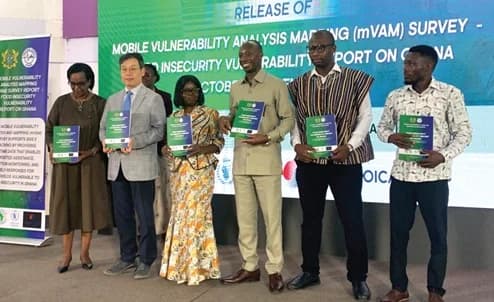
Ghana is currently navigating a complex landscape of social and economic development, marked by significant progress in national healthcare policy alongside persistent regional vulnerabilities in food security. A recent report from the Ghana Statistical Service (GSS) reveals that while 91% of the population maintains acceptable food consumption levels, approximately 2.6 million Ghanaians—about 8% of the total population—remain nutritionally vulnerable. The Mobile Vulnerability Analysis and Mapping (mVAM) report further indicates that over 335,000 individuals are at high risk of hunger and malnutrition. These figures highlight a stark geographic divide; while over 95% of households in regions like Greater Accra and Central are food secure, nearly 40% of households in the northern regions struggle with poor or borderline food consumption. Dr. Alhassan Iddrisu has emphasized that these concentrated vulnerabilities require specifically targeted interventions rather than generalized national policies. In the health sector, the National Health Insurance Authority (NHIA) has taken a major step forward by integrating breast cancer screening into the Free Primary Healthcare (FPHC) package. This reform, announced by Director of Operations Miriam Musah, focuses on preventive care and includes the revision of tariffs to better support chemotherapy and radiotherapy services. Simultaneously, the Traditional Medicine Practice Council (TMPC) is intensifying regulatory oversight to protect public safety. During a 15-day enforcement operation in Accra, the TMPC shut down eight unlicensed alternative medicine facilities and inspected over 500 shops. Head of Compliance Michael Lawson stated that these efforts are part of a nationwide crackdown to ensure that all naturopathy and herbal practitioners meet stringent regulatory standards. While policy and regulation expand, Ghana’s healthcare infrastructure continues to rely heavily on private sector support to manage localized crises. In Saboba, a donation of critical medical equipment worth over GH¢830,000 from MODEC and its partners recently bolstered the Assemblies of God Hospital, which serves over 120,000 people. This support proved vital after a fire destroyed the hospital’s children’s ward shortly after the donation. Similarly, the Ghana Prisons Service is partnering with Ernest Chemists Limited to establish a centralized "medicine bank" to combat severe drug shortages affecting both inmates and officers. On the individual care front, the Children’s Heart Foundation Ghana, supported by the Australian High Commission, successfully funded life-saving surgeries for two children with congenital defects, though more than 50 children remain on the waiting list. These combined reports illustrate a nation striving for universal standards while addressing deep-seated regional and institutional gaps through a mix of government reform and private philanthropy.
Related topic
Ghana Prisons Service Recruitment: Latest News →