••
Ghana Advances River Restoration and Maritime Security While Kenya Faces Climate-Driven Wildlife Risks
•3 min read•3 sources
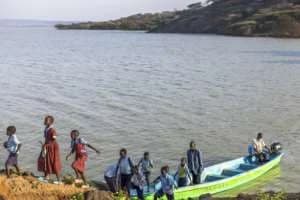
Ghana’s Ministry of Lands and Natural Resources has reported marginal improvements in the quality of major water bodies previously devastated by illegal mining, even as the continent faces broader environmental and security challenges. From the restoration of the Pra, Ankobra, and Birim rivers to the enhancement of maritime security in the Gulf of Guinea, West African authorities are intensifying efforts to protect natural resources. Meanwhile, in East Africa, the devastating impact of climate change is becoming increasingly visible as rising lake levels in Kenya displace thousands and drive dangerous wildlife into residential areas. In Ghana, Ministry spokesperson Paa Kwesi Shandorf highlighted that while water quality in key rivers is not yet fully restored, nine months of consistent anti-illegal mining measures are yielding positive trends. The Ministry is now shifting focus toward the costly task of land reclamation, seeking further collaboration with private entities such as Newmont Corporation and Zijin Mining Group. These initiatives come amid sustained public pressure on the government to mitigate the environmental degradation caused by illegal mining and ensure the long-term sustainability of Ghana's water and land resources. Concurrent with environmental efforts, the Ghana Navy has significantly bolstered its operational readiness through a specialized training partnership with the European Union’s SWAIMS Programme. Conducted by the Portuguese Navy at the Naval Training Command (NAVTRAC), the program focused on enhancing boat-handling and maritime response capabilities. Commodore Antonio Neves Rodrigues and Commodore James Adongo Agambire emphasized that these capacity-building measures are critical for addressing evolving security threats in the Gulf of Guinea, ensuring that West African maritime borders remain secure for trade and regional stability. Contrasting the restoration efforts in West Africa, Kenya is grappling with an ecological crisis as Rift Valley lakes like Lake Baringo have expanded by 70% since 2010. These unprecedented water levels, fueled by climate-induced rainfall, have submerged schools and resorts, causing tourism revenues to plummet from $1 million to $200,000 annually. More critically, the shrinking habitats have pushed crocodiles and hippos into human settlements, leading to a rise in attacks and jeopardizing local fisheries and drinking water supplies. These diverse developments across the continent underscore the complex interplay between environmental management, security, and climate resilience. While Ghana’s progress in river restoration and maritime training demonstrates the effectiveness of targeted governmental and international interventions, Kenya’s situation serves as a stark reminder of the volatile nature of climate change. Moving forward, the success of these African nations will depend on sustained investment in infrastructure, stronger regional security frameworks, and a proactive approach to ecological preservation in the face of global environmental shifts.
This story touches markets covered on Anansi Intelligence ↗.
More from africa
Continue exploring similar stories


