••
Michael Adeboboye and UCC Researchers Advocate for Narrative Ownership and Gender Safety in Africa
•2 min read•3 sources
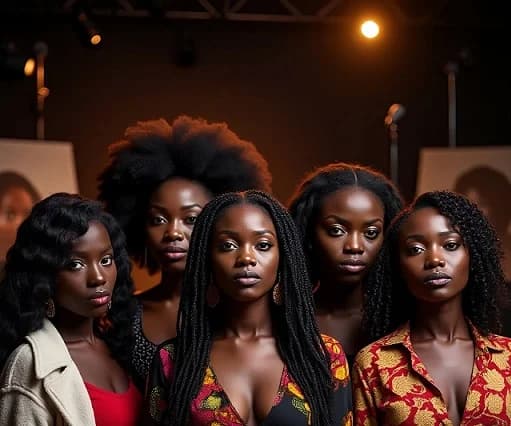
Michael Adeboboye, Chairman of the Congress of African Journalists (CAJ), has emphasized the urgent need for Africa to reclaim its narrative by defending press freedom and enhancing the capacity of journalists across the continent. Founded in 2020, the CAJ is actively working to reshape the global perception of Africa through its flagship publication, CAJ International Magazine, and engagements with international media protocols. Adeboboye highlights that despite significant challenges—including funding shortages and safety threats—the organization remains committed to fostering cross-border collaboration and promoting diverse languages in storytelling to ensure a thriving independent media landscape. This push for narrative ownership and professional integrity is echoed in the Ghanaian creative sector, where a landmark study titled "Behind the Scenes (BtS): Young Women and Gender-Based Inequities in Africa’s Creative Sector" has exposed rampant sexual harassment and gender discrimination. Conducted by the University of Cape Coast (UCC) with support from the International Centre for Research on Women, the research documents the struggles of young female creatives who face systemic barriers despite their determination to pursue careers in the arts. Stakeholders are now being urged to move beyond merely identifying these problems and instead establish concrete, supportive conditions that ensure safer spaces and equitable treatment for women in the industry. These professional and safety concerns are unfolding alongside a broader cultural shift in Ghana regarding traditional social structures and personal autonomy. While marriage has historically been viewed as an essential life milestone for community bonding and child-rearing, changing economic conditions and personal choices are making singlehood an increasingly accepted and even fashionable lifestyle. This transition allows for greater personal growth and financial independence, yet it also presents new emotional challenges, such as loneliness, highlighting a society that is increasingly valuing individual agency over rigid tradition. Collectively, these developments in journalism, the creative arts, and social life signal a transformative period for Ghanaian and African identity. From Adeboboye’s advocacy for narrative independence to the UCC’s call for gender safety and the evolving norms of singlehood, the common thread is a region striving to define its own future. As Africa continues to navigate these internal and external pressures, the focus remains on building ethical, safe, and inclusive environments that allow individuals to achieve their full potential in both their professional and personal lives.
This story touches markets covered on Anansi Intelligence ↗.
More from africa
Continue exploring similar stories


