••
Ghana's Economic Strategy: Strengthening Energy Security and Formalizing Resource Sectors Amid Global Volatility
•3 min read•7 sources
Global energy markets are currently witnessing unprecedented volatility, with oil prices fluctuating wildly between $71 and nearly $120 per barrel following geopolitical tensions and airstrikes in the Middle East. Against this backdrop, the International Energy Agency (IEA) has warned of the largest supply disruption in history. In Ghana, the Tema Oil Refinery (TOR) has responded by asserting its capability to refine domestic crude oil, aiming to bolster energy security and reduce the nation's reliance on expensive imports. This move is complemented by the recent commissioning of the MT Asharami LPG carrier by President John Dramani Mahama, intended to stabilize the domestic gas supply. However, policy analyst Bright Simons cautions that systemic policy gaps in the gas sector must be addressed to ensure long-term commercial viability and avoid the pricing mismatches that hindered previous projects like the Tema LNG terminal.
Beyond the energy sector, the government is intensifying efforts to formalize and regulate Ghana’s natural resource wealth through the launch of a nationwide registration for small-scale miners. Led by the Responsible Cooperative Mining and Skills Development Programme (rCOMSDEP) and the Minerals Commission, the initiative seeks to transition artisanal mining into legally recognized cooperatives. By conducting geological evaluations and issuing Temporary Operating Permits, the program aims to enforce environmental responsibility and create a verified database of miners. This regulatory push is designed to curb the environmental degradation often associated with informal mining while ensuring that the sector contributes more predictably to the national economy.
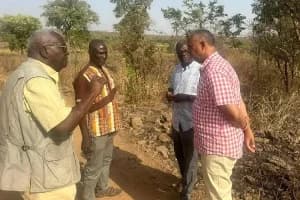
In tandem with industrial and mining reforms, the Millennium Development Authority (MiDA) is pivoting toward large-scale agricultural transformation in the Voltaian Basin. Through the establishment of Agro-Ecological Parks (AEPs) across the Oti and Northern Regions, the government intends to shift from subsistence farming to a robust agro-industrial ecosystem. These parks are designed to support year-round cultivation, food processing, and export activities, addressing food security and job creation. However, infrastructure challenges remain a hurdle; the MiDA leadership has identified slow ferry systems and transportation bottlenecks as significant barriers to trade, emphasizing that the success of these industrial zones will depend heavily on improved logistics and land acquisition facilitated by local traditional authorities.
While these strategic initiatives signal a drive toward economic self-reliance, immediate operational challenges continue to affect domestic productivity. The Electricity Company of Ghana (ECG) recently conducted essential maintenance in the Tema industrial hub, resulting in scheduled power outages that impacted both residential and commercial sectors. Additionally, severe weather damage in the Ashanti Region has forced emergency repairs to the power grid. These disruptions, coupled with the ongoing energy shock in global markets, highlight the delicate balance the Ghanaian government must maintain. Strengthening the synergy between energy policy, resource formalization, and infrastructure development will be critical as the country seeks to navigate international market instability and achieve sustainable industrial growth.
This story touches markets covered on Anansi Intelligence ↗.
More from business
Continue exploring similar stories

