••
Ghana Accelerates Economic Growth Through Strategic Energy Projects, Mining Reforms, and Infrastructure Upgrades
•3 min read•11 sources
Ghana’s industrial and energy sectors are undergoing a significant transformation, driven by massive capital investments and strategic infrastructure projects aimed at ensuring long-term economic stability. A cornerstone of this shift is a newly signed term sheet agreement between the Government of Ghana, Eni Ghana E&P, Vitol Upstream Ghana Limited, and the Ghana National Petroleum Corporation (GNPC) for the expansion of the Offshore Cape Three Points (OCTP) project. This non-associated gas upgrade is projected to boost domestic gas production by up to 350 million standard cubic feet per day by 2028, significantly reducing the nation's reliance on energy imports and signaling Ghana's readiness for further upstream petroleum investment.
In tandem with these upstream gains, the Electricity Company of Ghana (ECG) is aggressively addressing power reliability through a GH"1.11 billion investment in the Ashanti Region. This initiative includes the deployment of 300 new distribution transformers to resolve low voltage issues and upgrading conductors to increase transmission capacity from 265 to 400 megawatts. To facilitate these improvements, ECG has scheduled critical maintenance and emergency works across the Ashanti, Western, and Central regions throughout May, emphasizing that these short-term disruptions are essential for the long-term stabilization of the national grid. Simultaneously, GNPC’s commercial arm, Explorco, has intensified its onshore drilling campaign in the Voltaian Basin, engaging stakeholders in Yendi and Tamale to ensure local integration and regional stability as exploration covers nearly one-third of the country’s landmass.
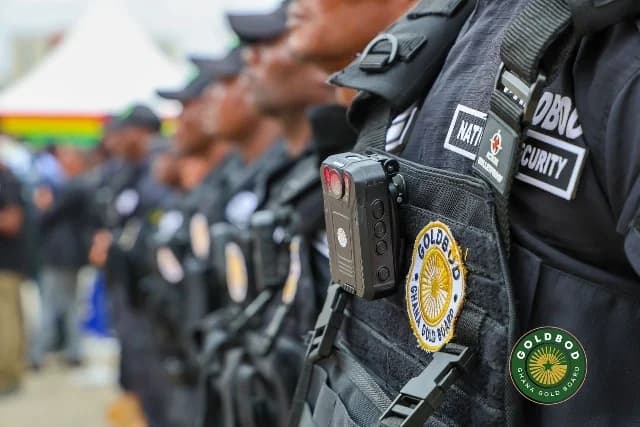
The natural resources sector is also seeing rigorous regulatory enforcement and financial growth. The Ghana Gold Board (GOLDBOD) reported a landmark success for its anti-smuggling taskforce, with gold exports reaching approximately US$20 billion in 2025—nearly double the previous year's figures. This surge is attributed to stricter monitoring that has funneled almost all artisanal and small-scale mining (ASM) exports through formal channels. However, this regulatory environment has also led to friction; Adamus Resources Limited is currently petitioning the government following the revocation of its mining leases over alleged illegal mining activities. The company maintains its compliance with legal standards and is cooperating with a ministerial committee to resolve the dispute and resume full oversight of its operations.
Looking toward logistics and regional development, the Asantehene, Otumfuo Osei Tutu II, has issued a call for the urgent completion of the Boankra Integrated Logistics Terminal. Despite the terminal area being 98% complete, funding challenges have stalled final construction. The Asantehene emphasized that the project is a vital catalyst for job creation for youth across the Ashanti and northern regions and urged the government to find internal funding solutions or attract new investors to prevent further financial losses. Collectively, these developments in energy production, utility reliability, and resource management form a critical framework for Ghana’s goal of achieving energy independence and sustainable industrial growth.
This story touches markets covered on Anansi Intelligence ↗.
Live rates
Ghana gold price →More from business
Continue exploring similar stories

